The D. A. Tsenov Academy of Economics Hosted a KreativEU Network Conference in Svishtov
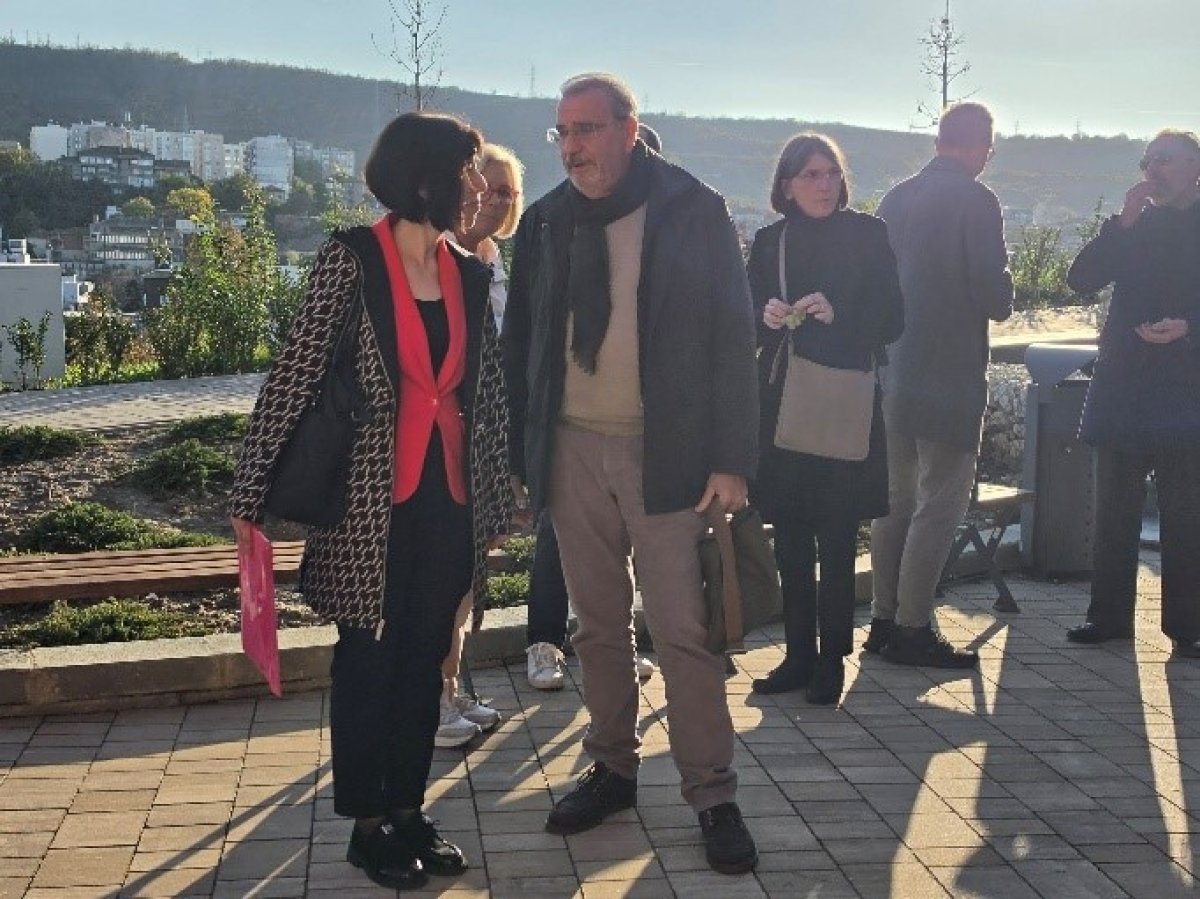
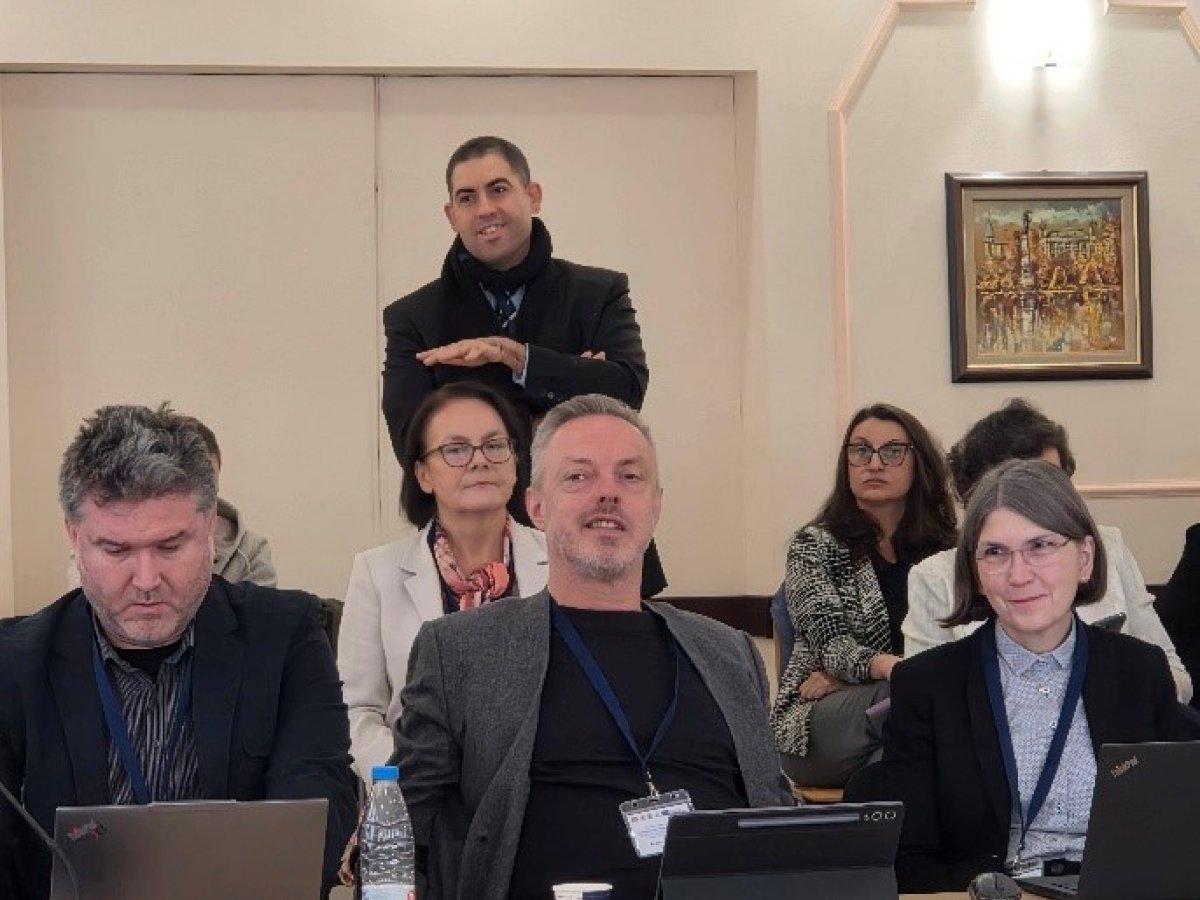
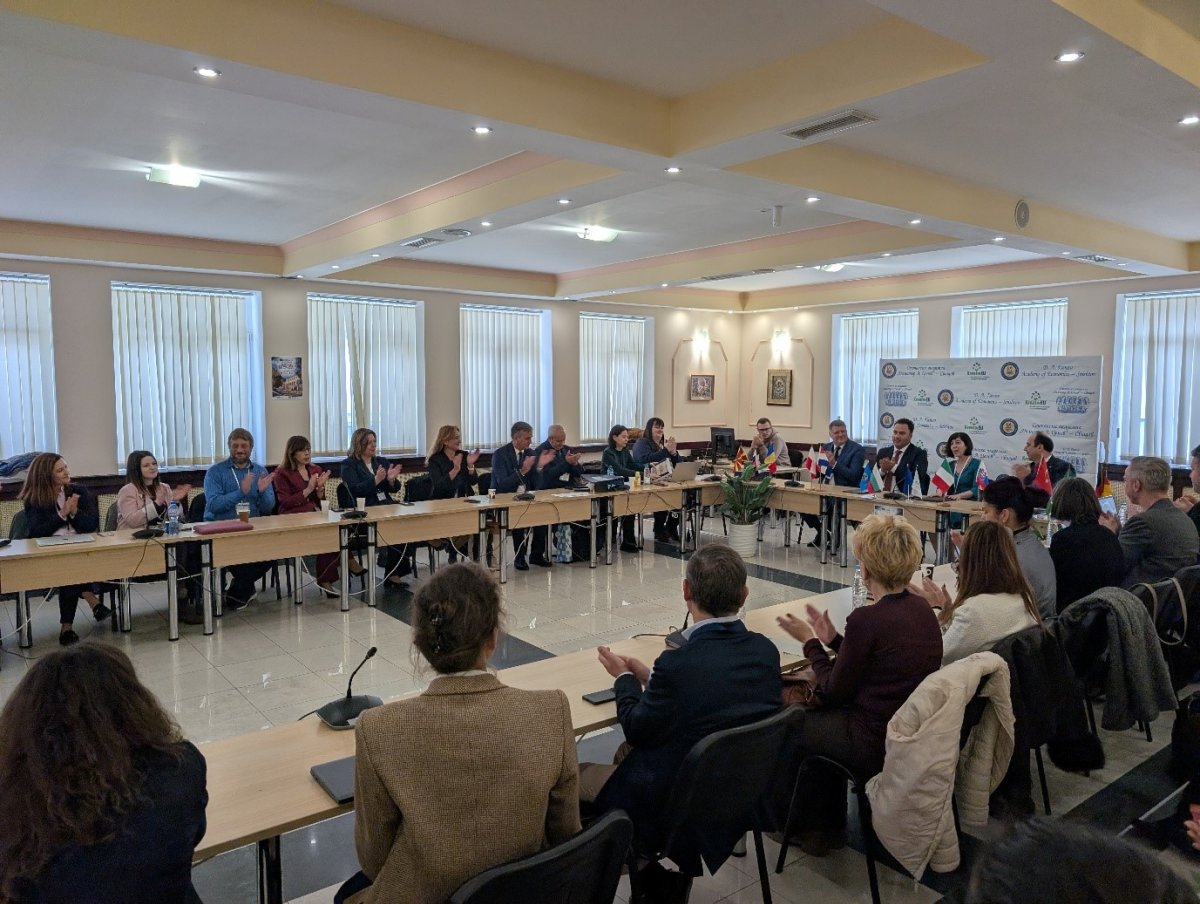
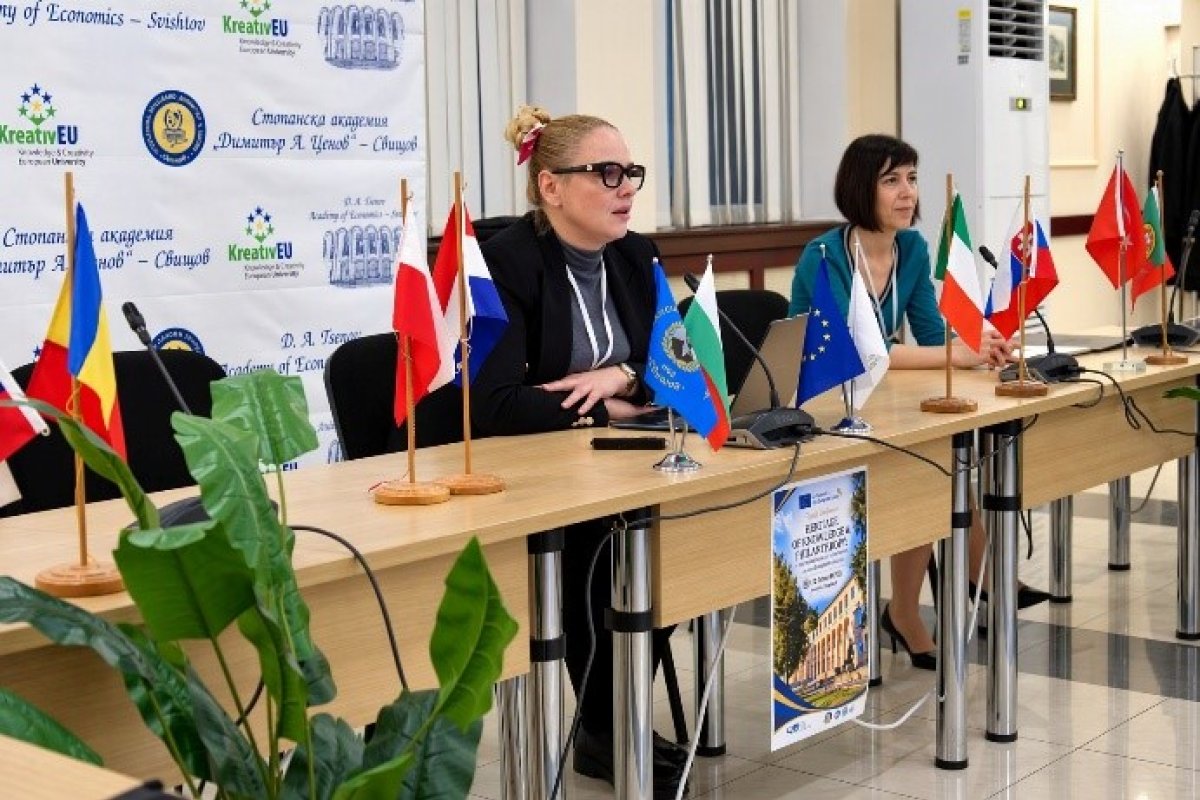
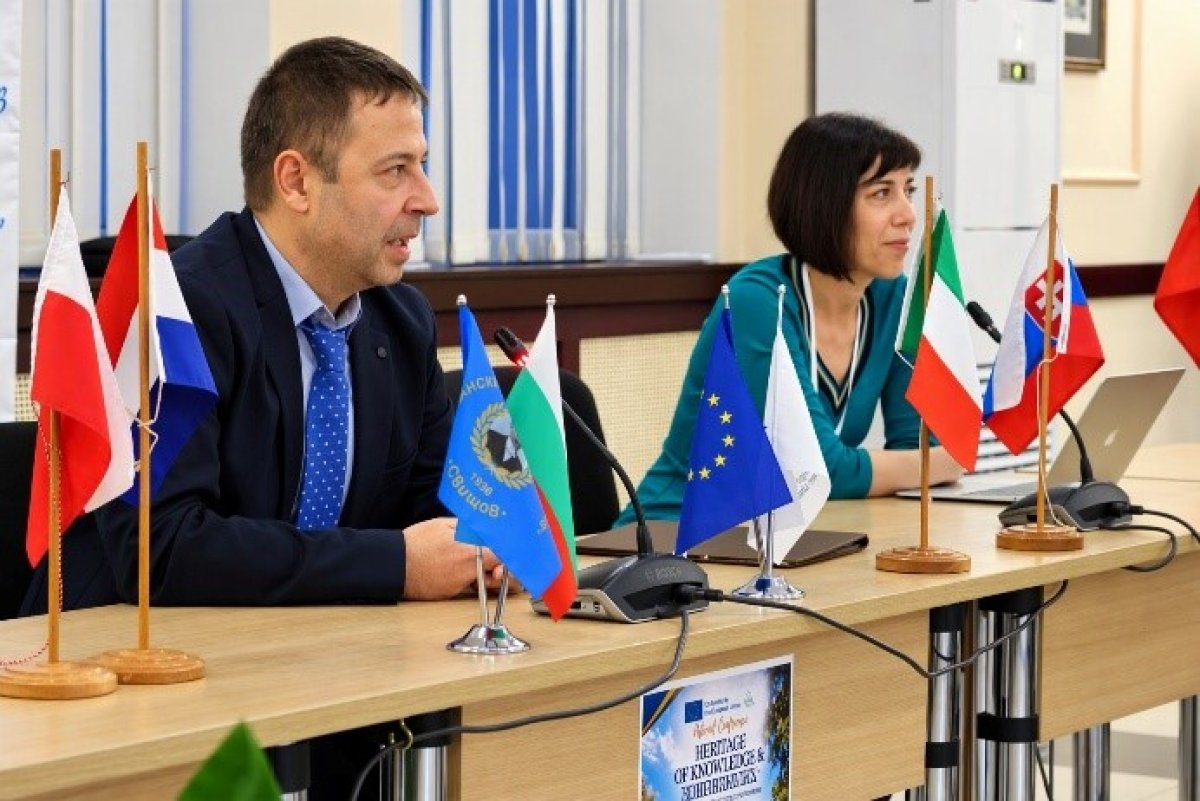
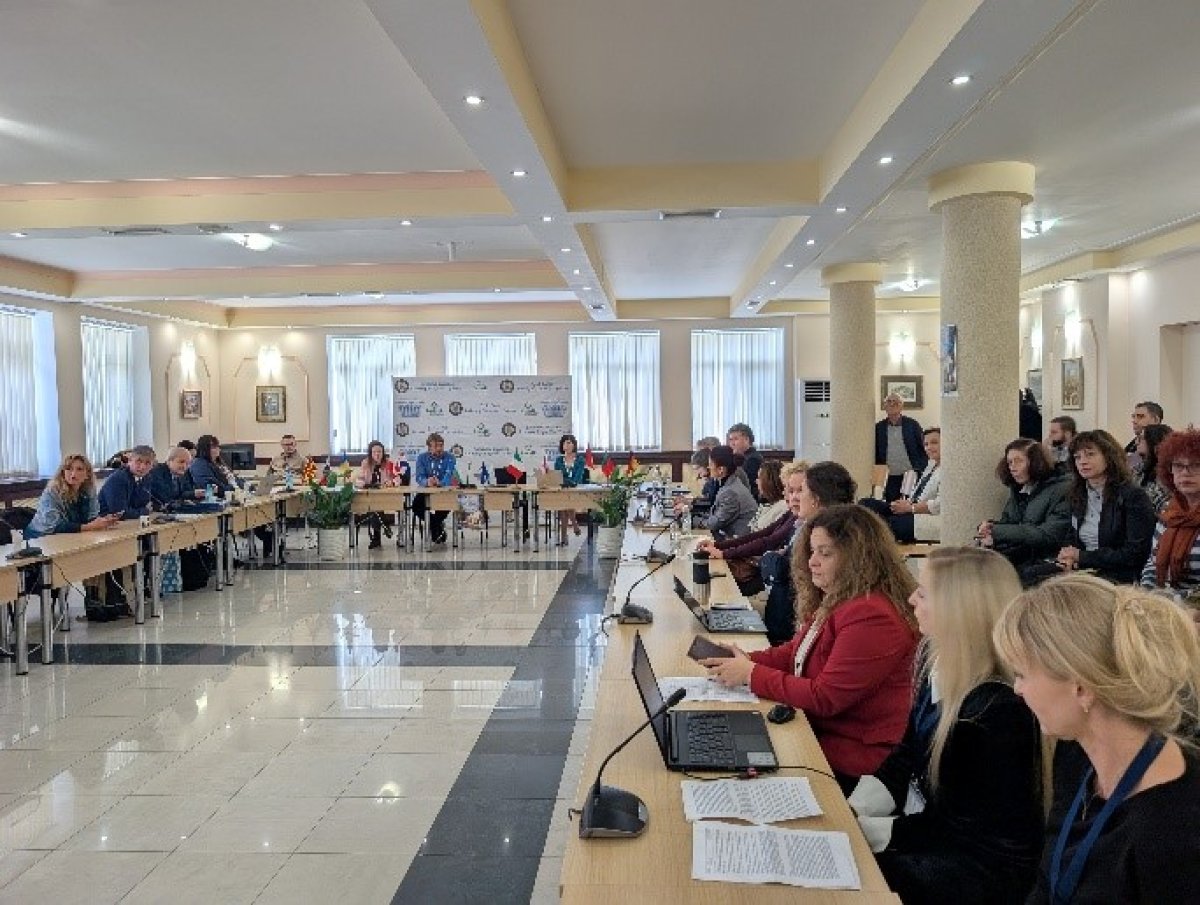
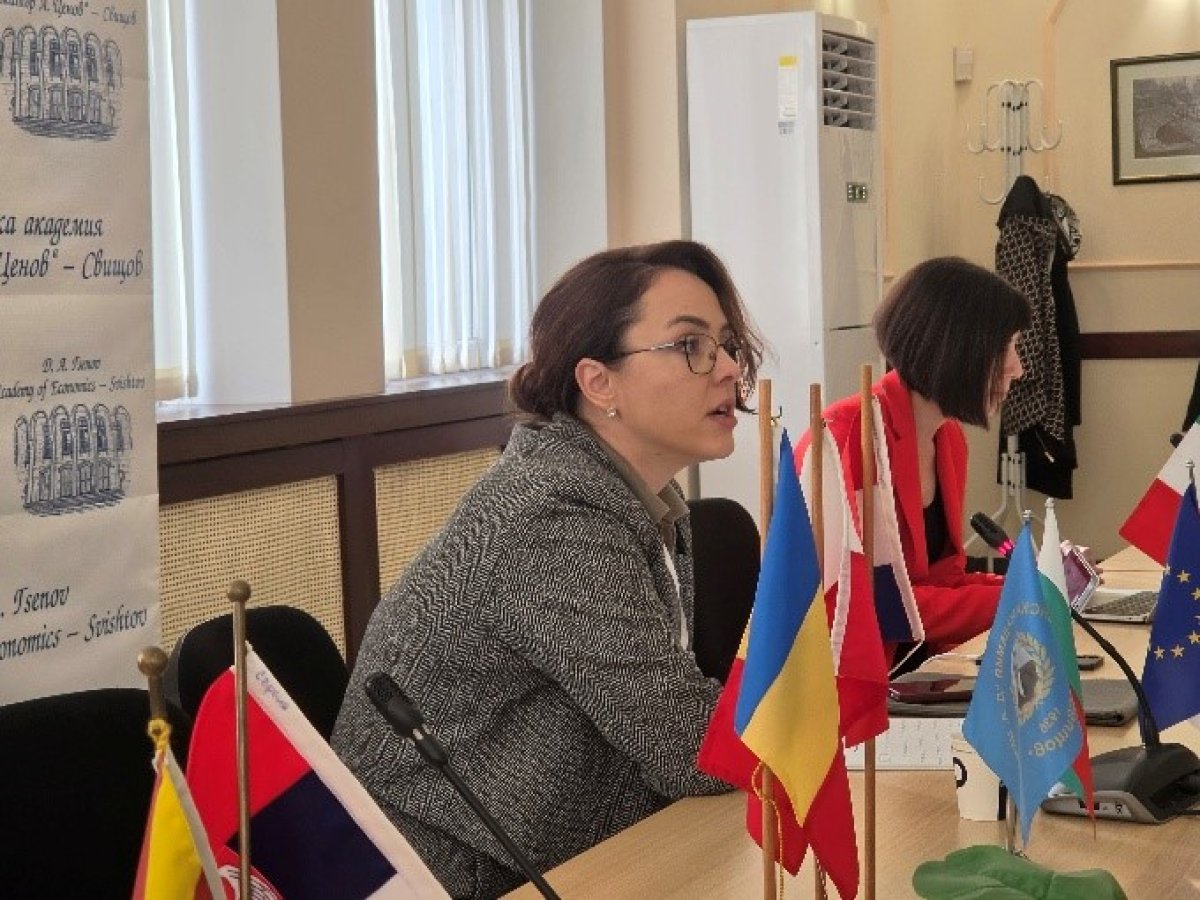
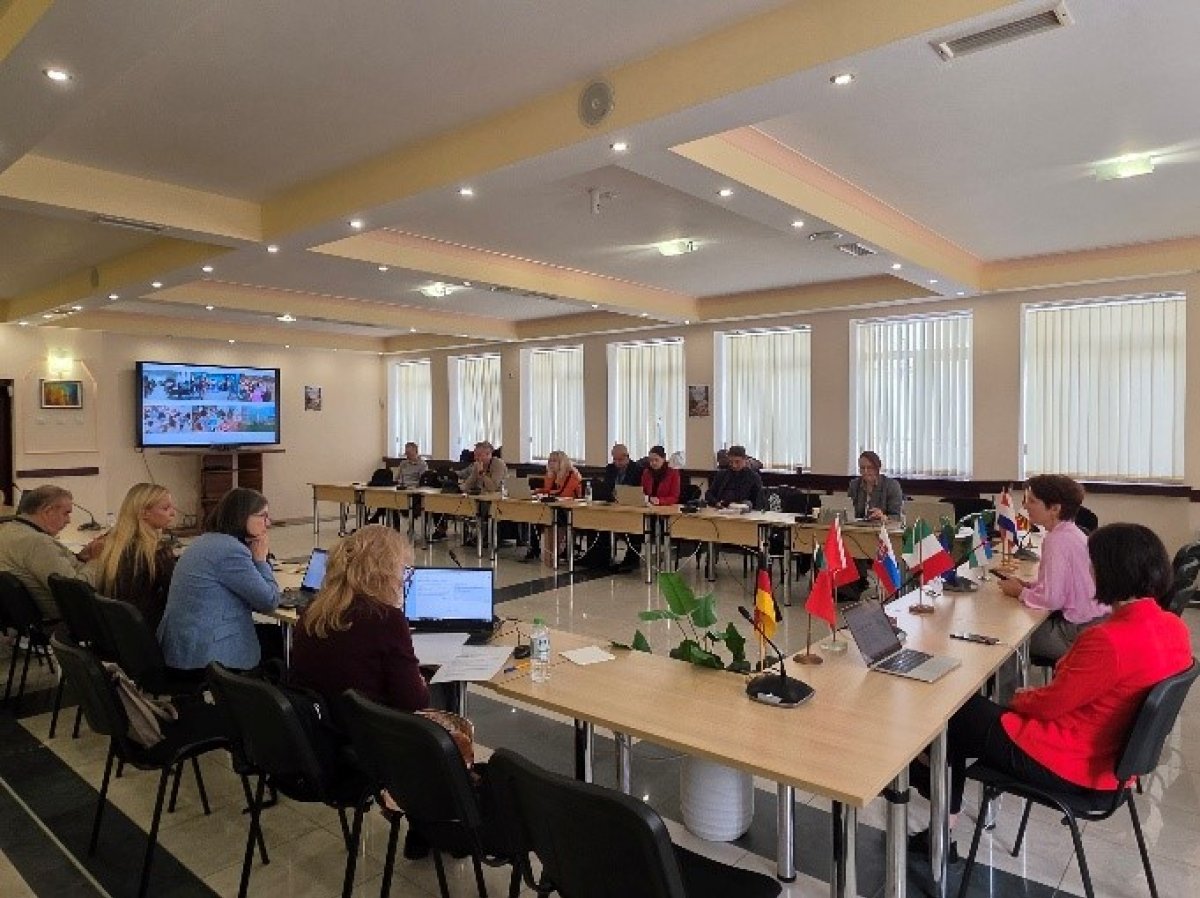
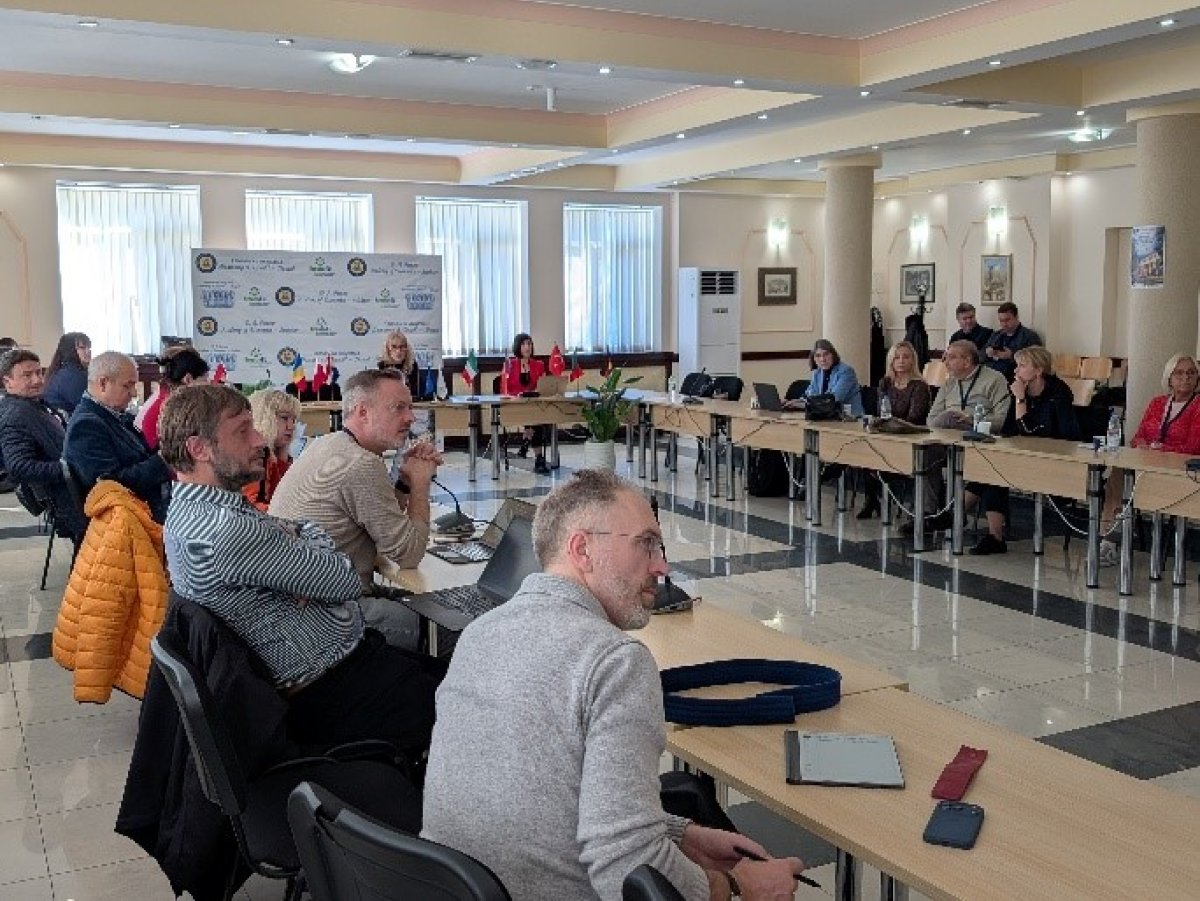
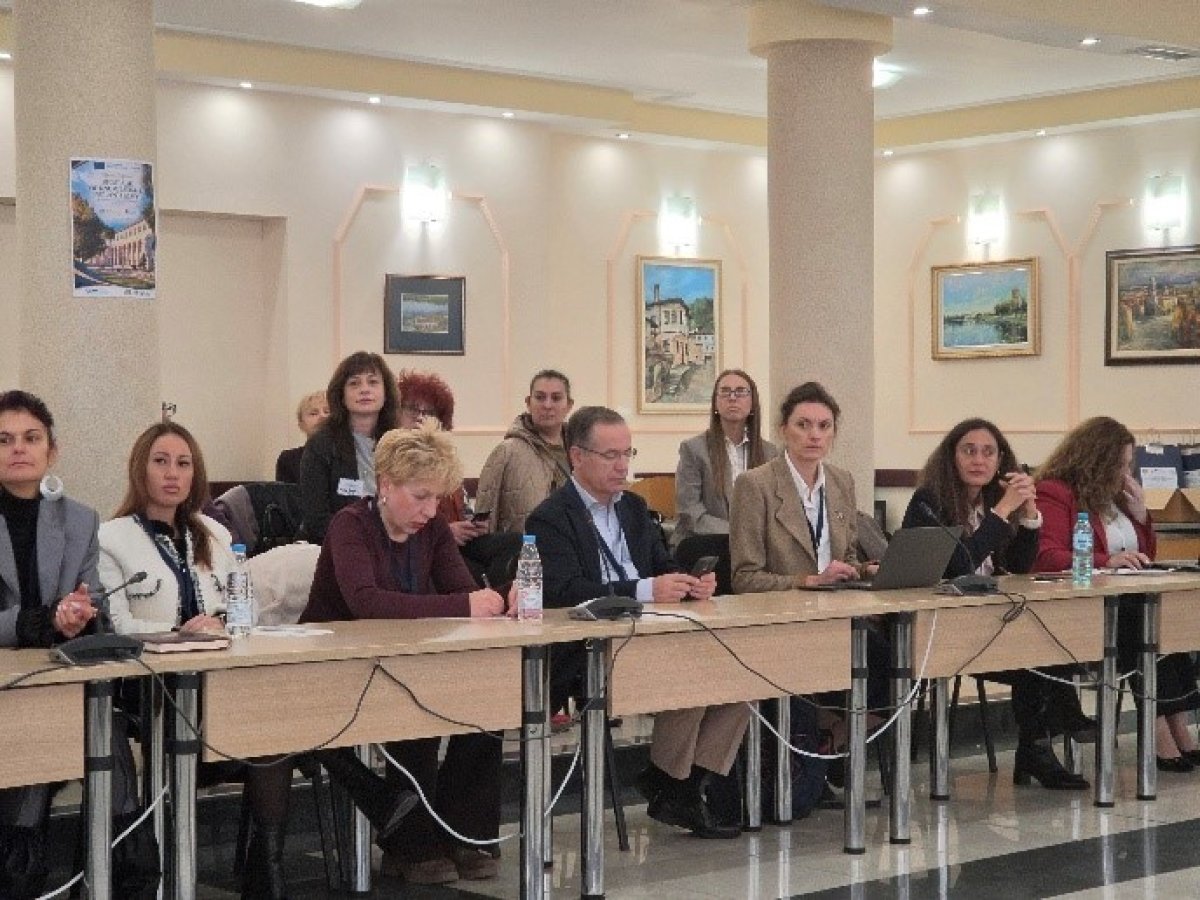
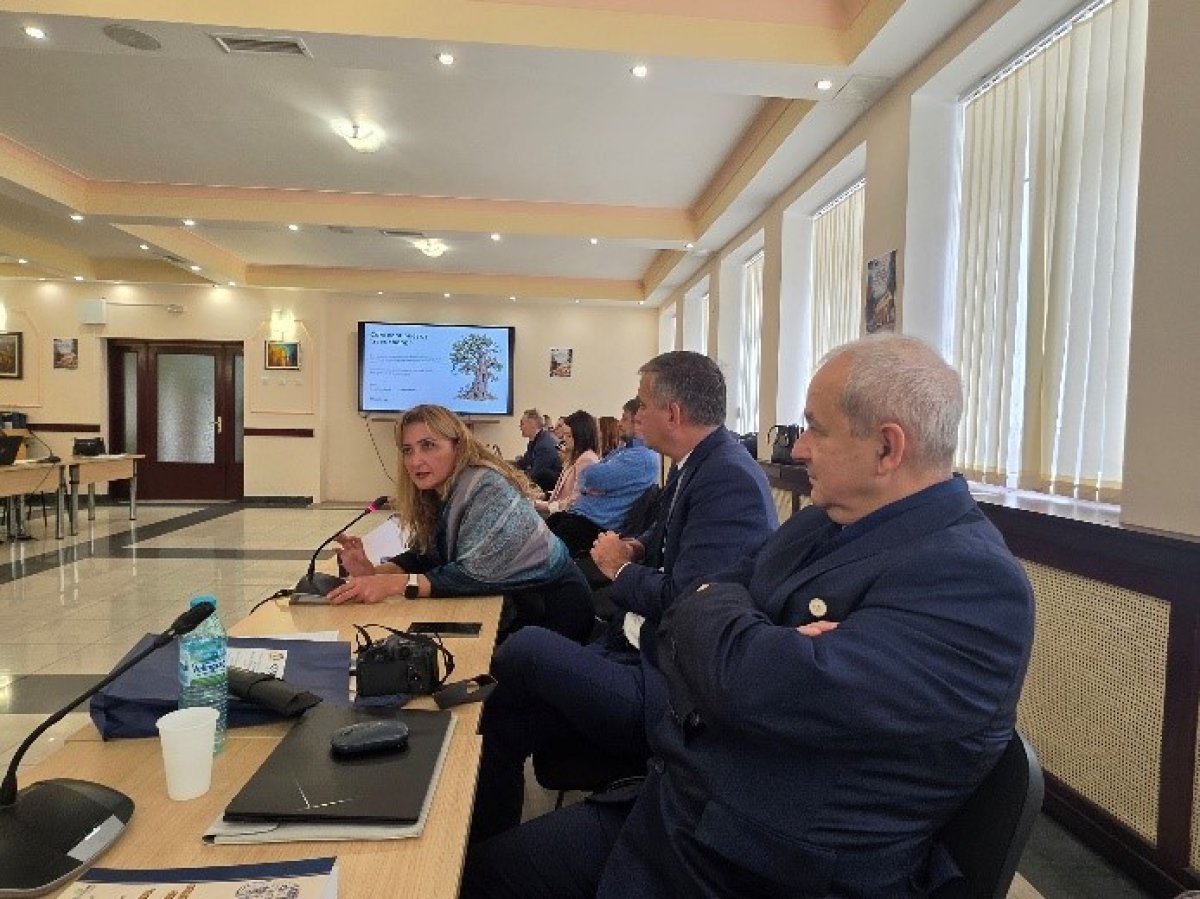
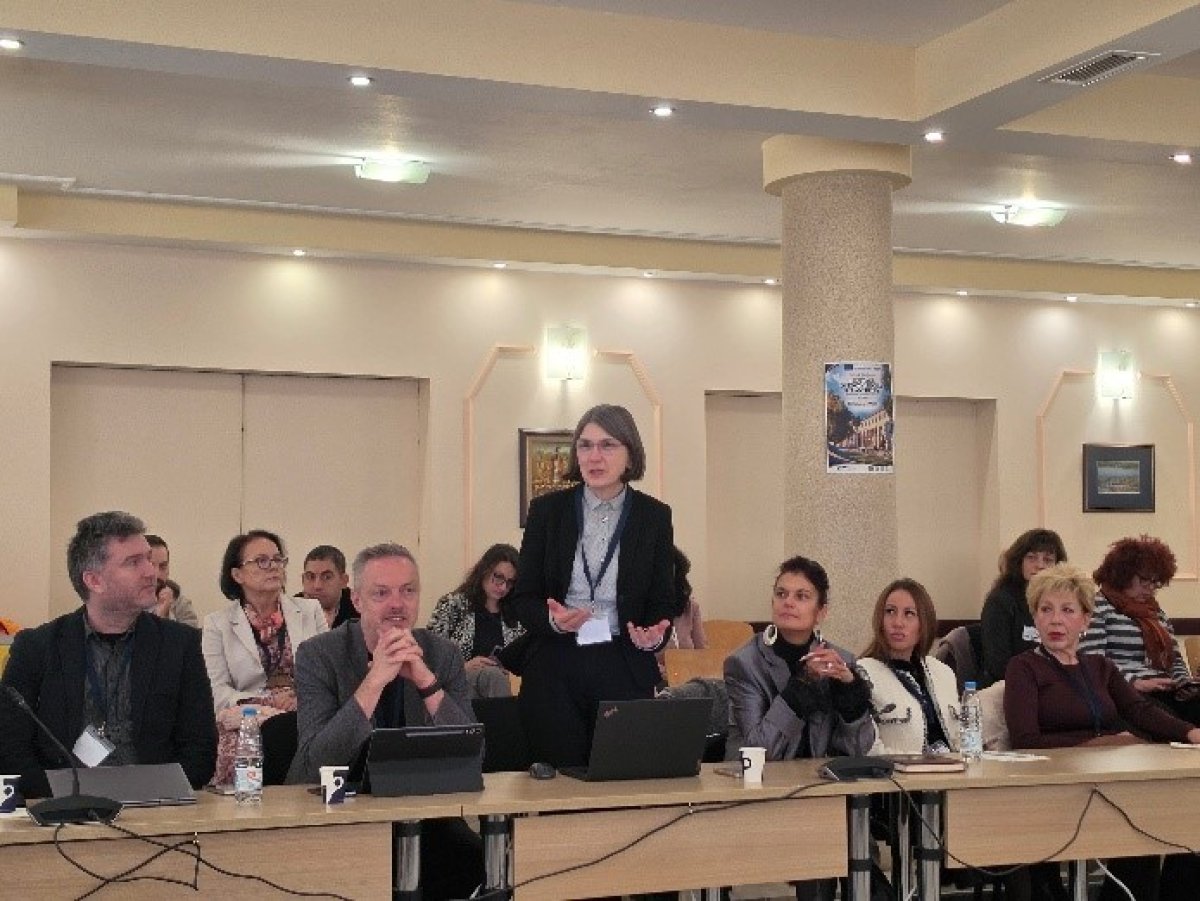
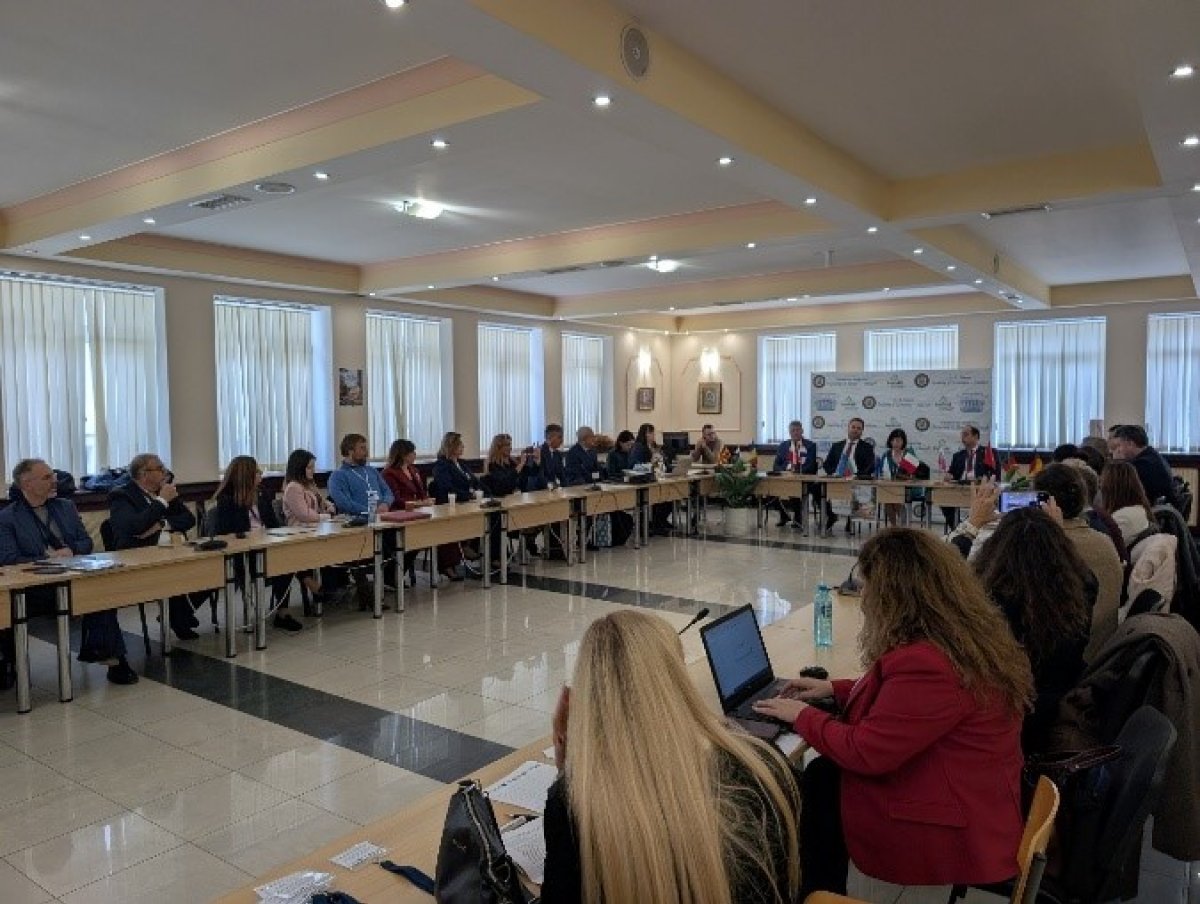
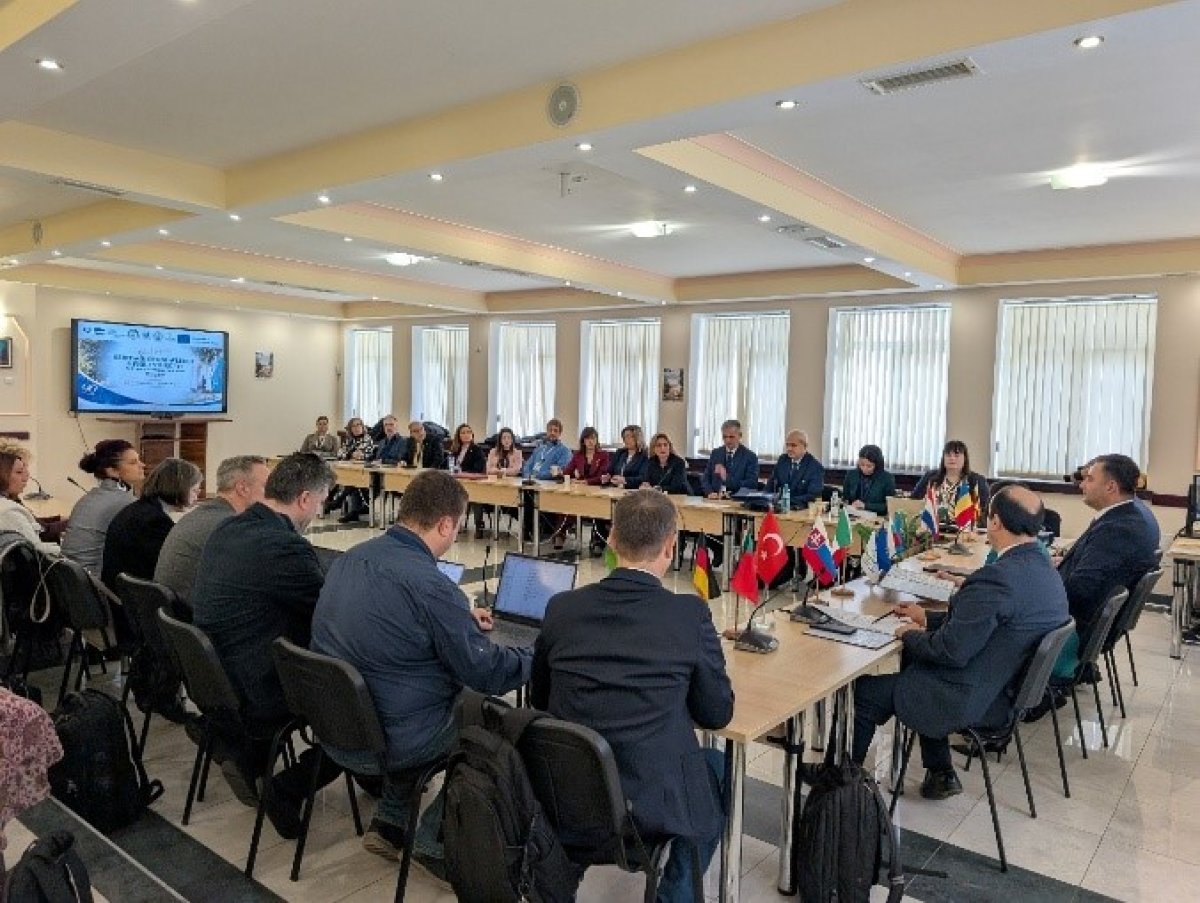
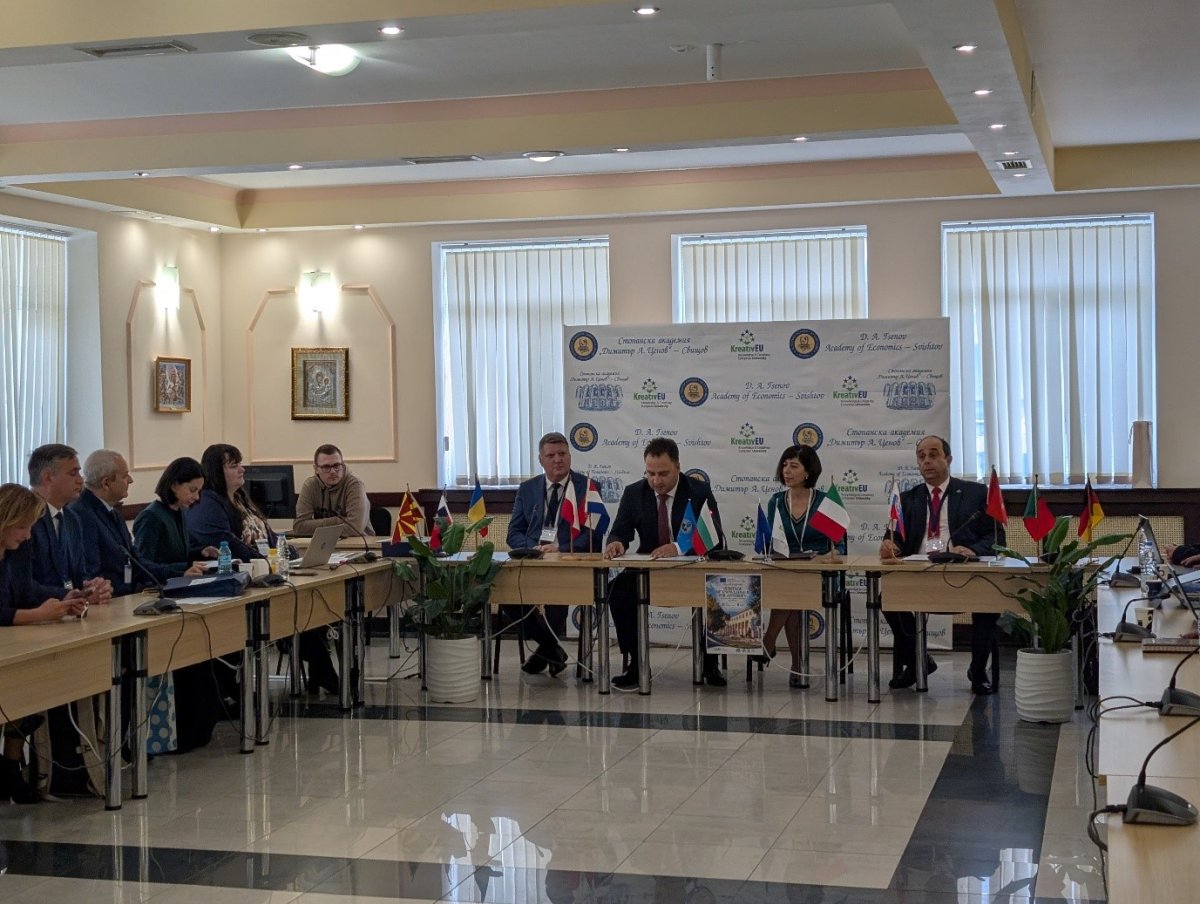
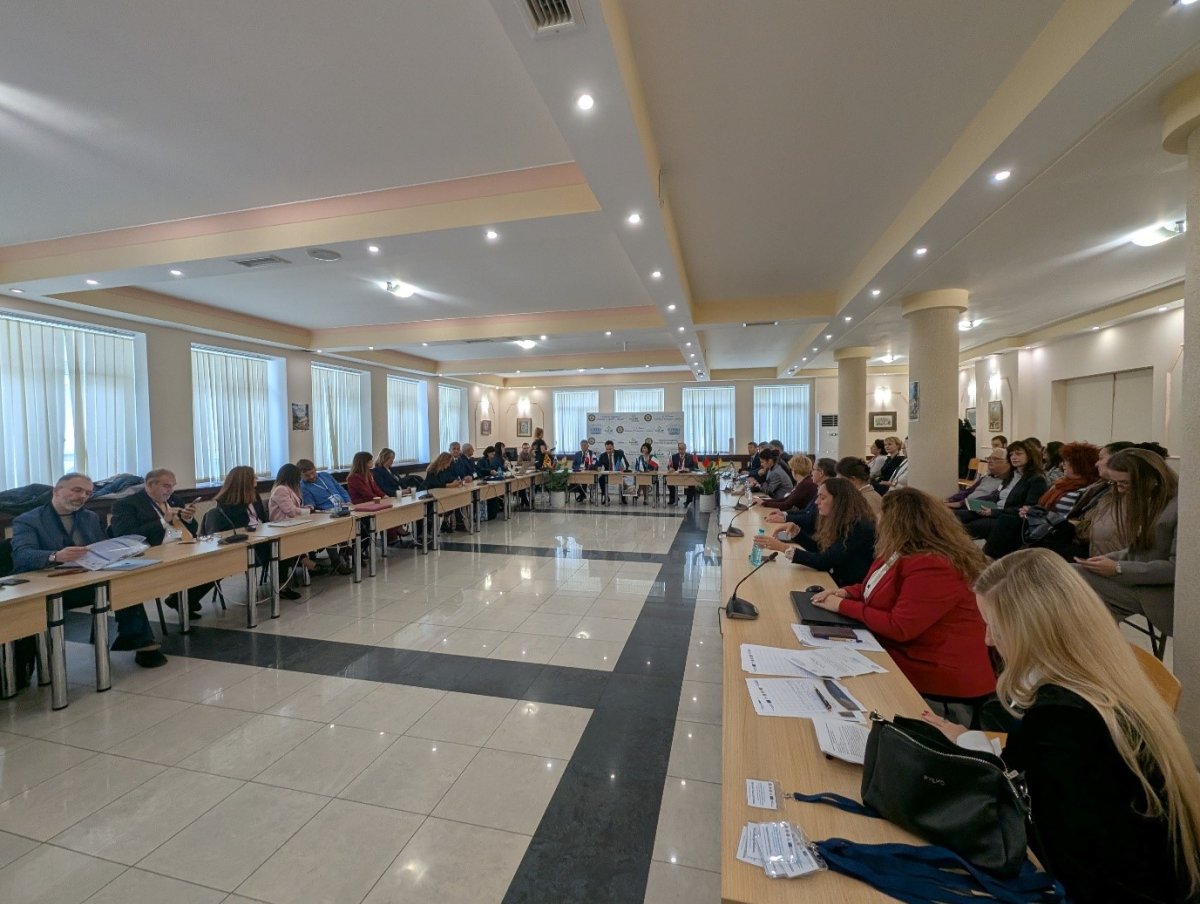
From 5 to 7 November 2026, the D. A. Tsenov Academy of Economics in Svishtov hosted a series of celebratory events to mark the 90th anniversary of its foundation. As part of these celebrations, a KreativEU Network Conference was organised on 6–7 November 2026 on the theme ‘Heritage of Knowledge and Philanthropy: 90 Years of Economic Education in Svishtov’. This was the first KreativEU network conference hosted by the Academy. It brought together representatives from 12 international universities across ten countries and three continents: Romania, Slovakia, Poland, Germany, Portugal, Italy, the Netherlands, North Macedonia, Turkey and Egypt. Local stakeholders also took part.
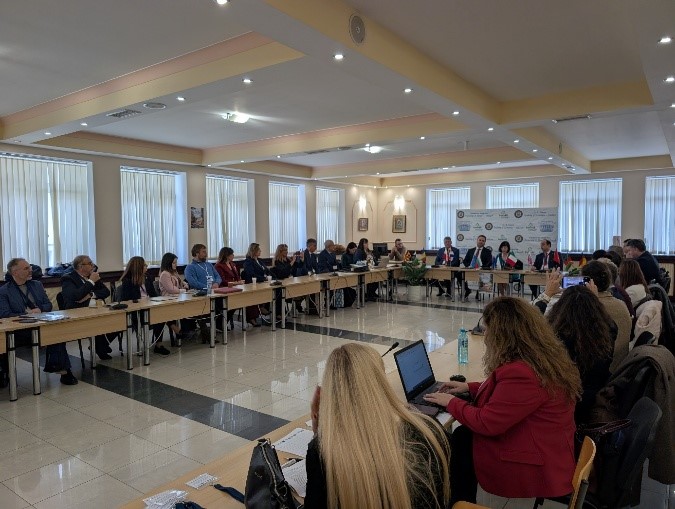
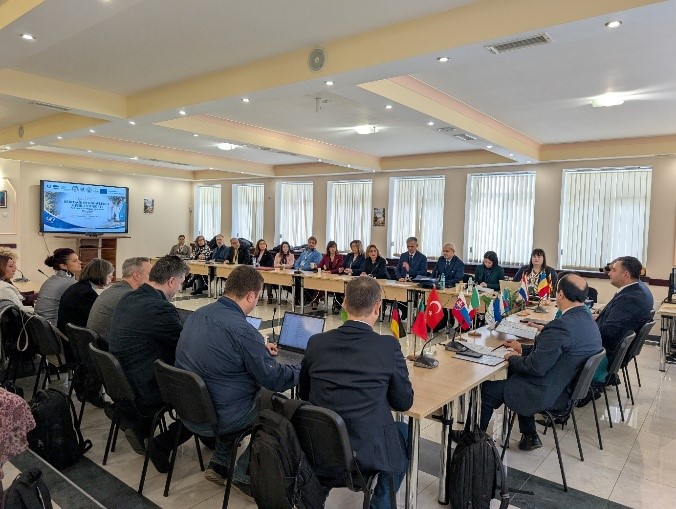
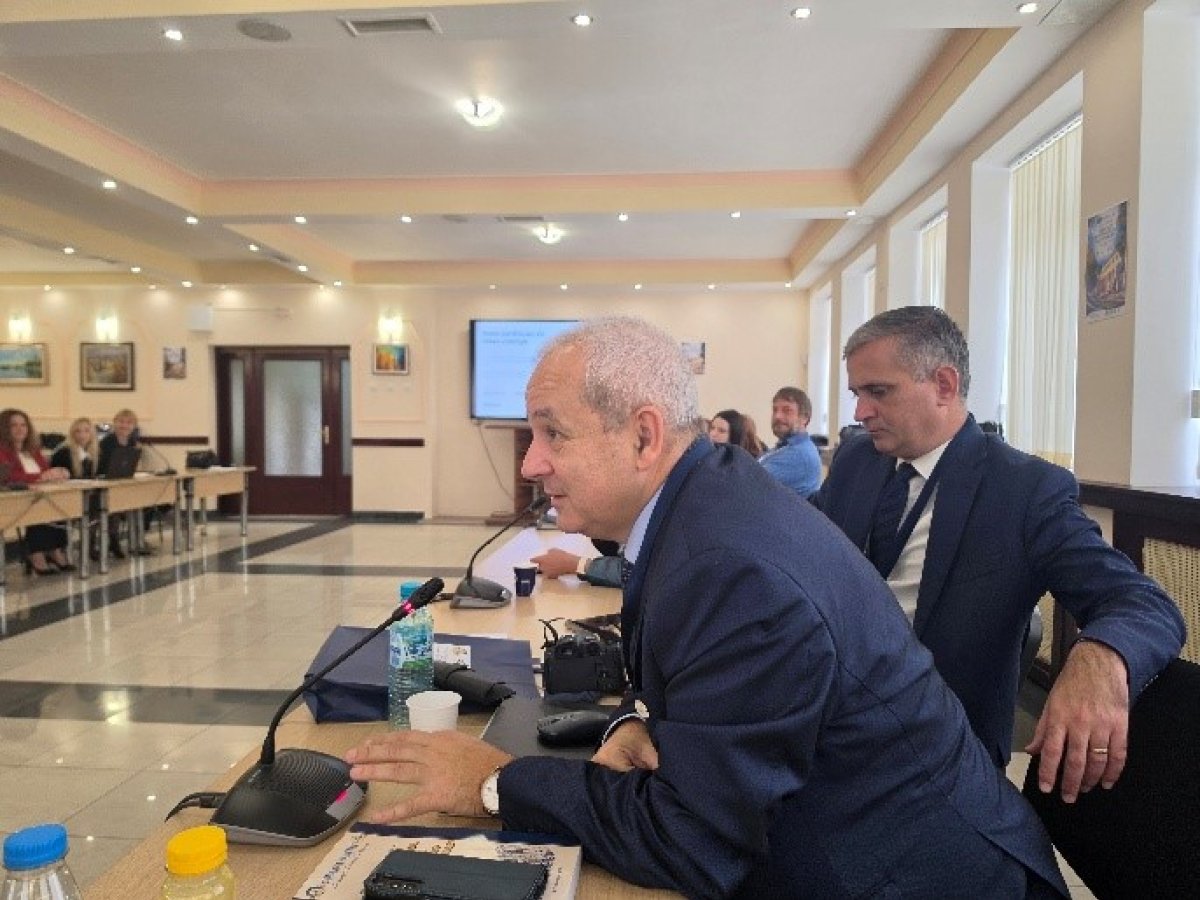
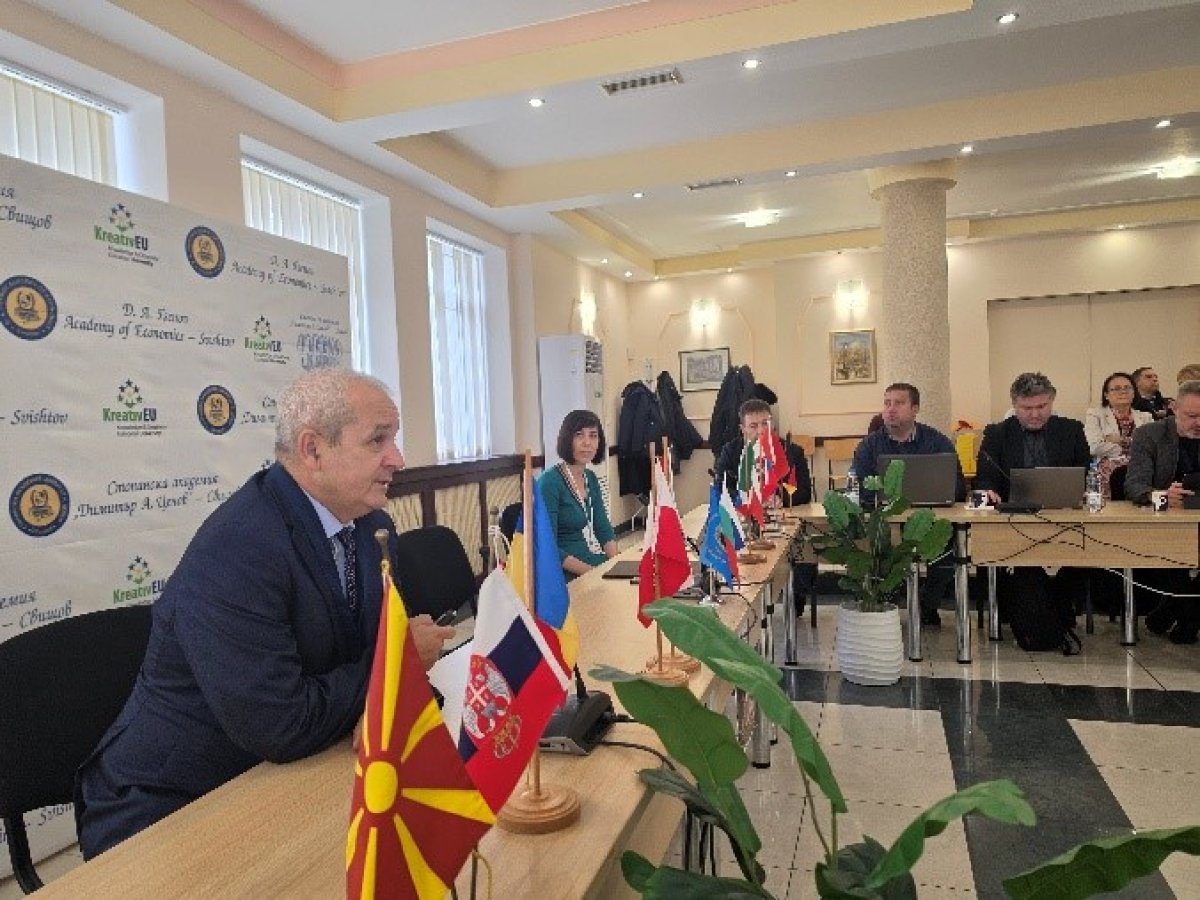
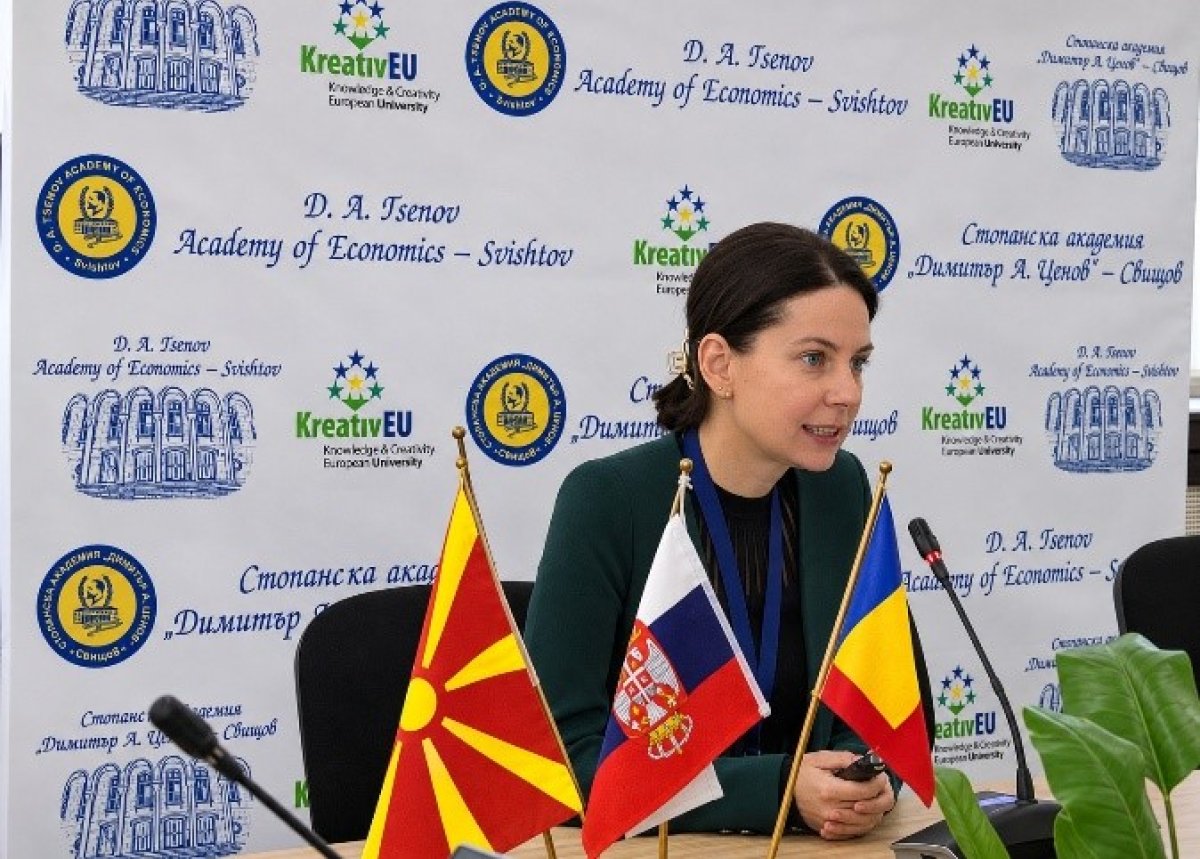
The event was opened and chaired by Assoc. Prof. Marusya Smokova, coordinator of the organising committee, who emphasised that “The real value of a network conference is not only what happens in this hall today, but what we decide to do together afterwards.” Assoc. Prof. Smokova then invited the Rector of the D. A. Tsenov Academy of Economics, Assoc. Prof. Marin Marinov, the Vice-President of KreativEU and Rector of ‘Valahia’ University in Targovishte, Prof. Ioan Corneliu Sălișteanu, and the General Secretary of KreativEU, Prof. Célio Marques.
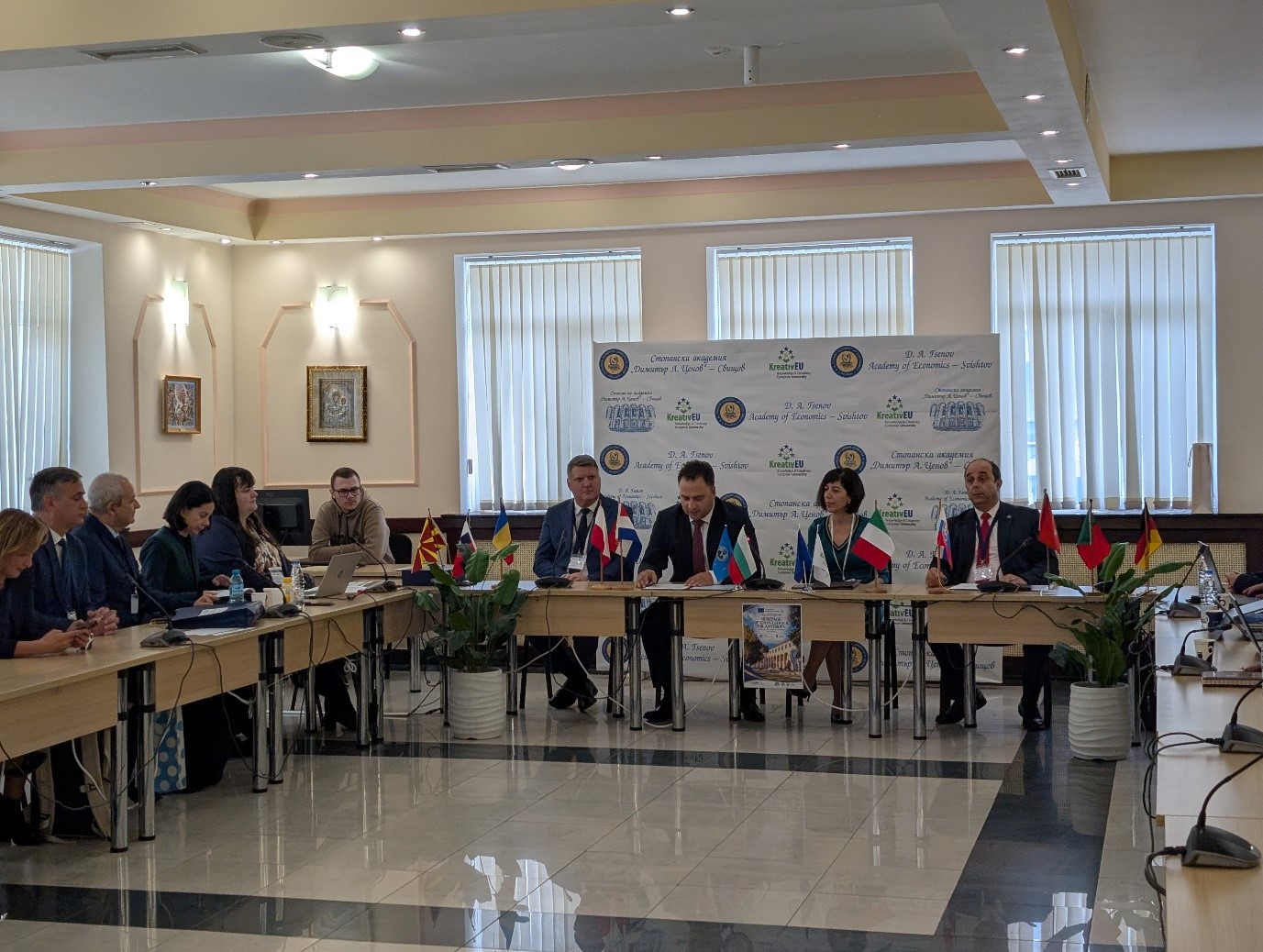
The Rector of the Academy, Assoc. Prof. Marin Marinov, welcomed the participants, expressing his delight that the Academy was hosting the event in the year in which it is celebrating its 90th anniversary: “This is a year in which we look back with pride and respect on our history and achievements, but we are also looking to the future. And our future is closely connected with our partners of the KreativEU family, with whom we share a common vision and a commitment to moving forward together.” The Rector emphasised: “For our Academy, the KreativEU alliance is more than just an international partnership. It is an opportunity to grow together, to share knowledge, to embrace innovation and to create a lasting impact on our universities and communities.” He wished everyone inspiring discussions and a successful conference.
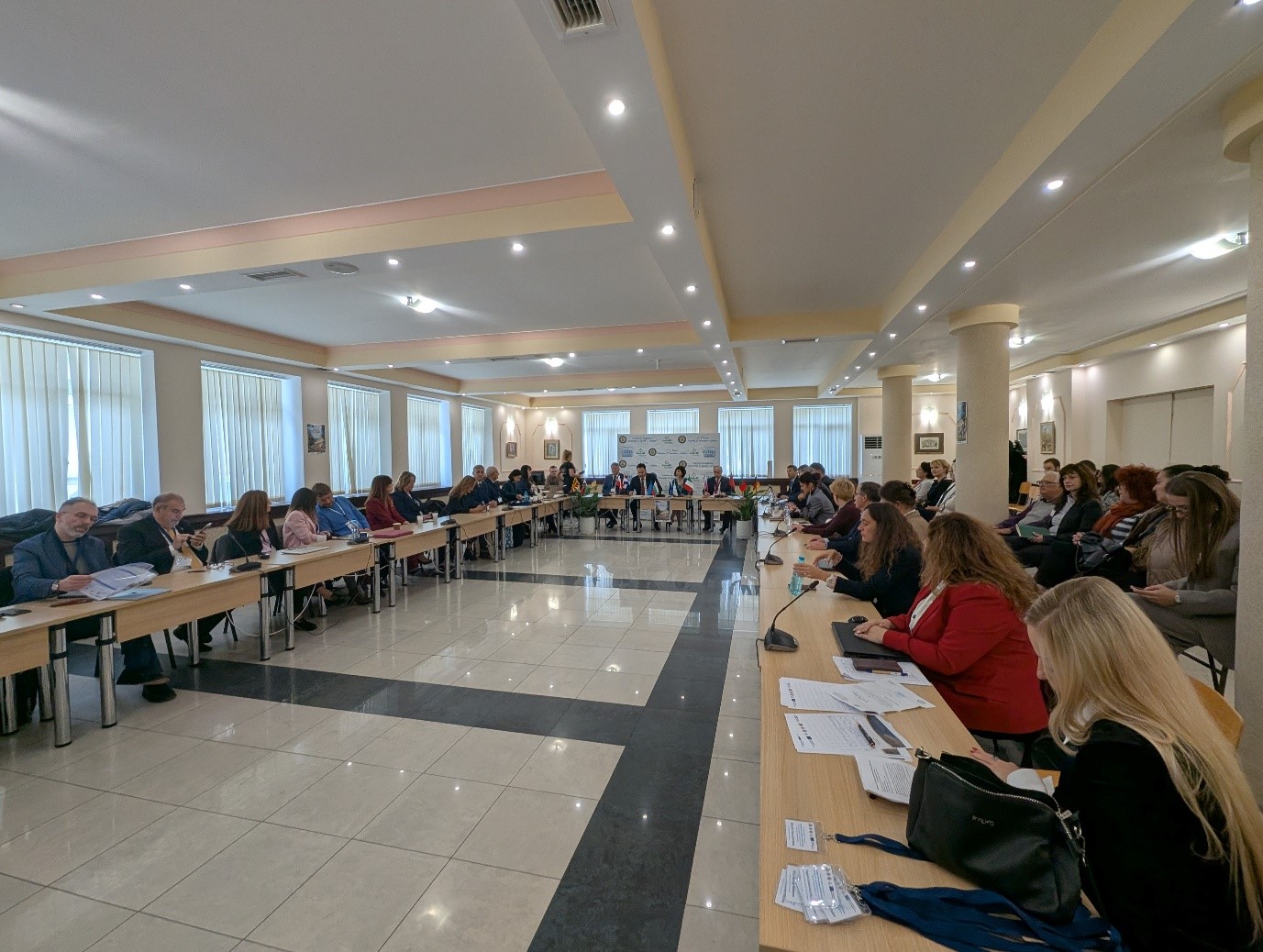
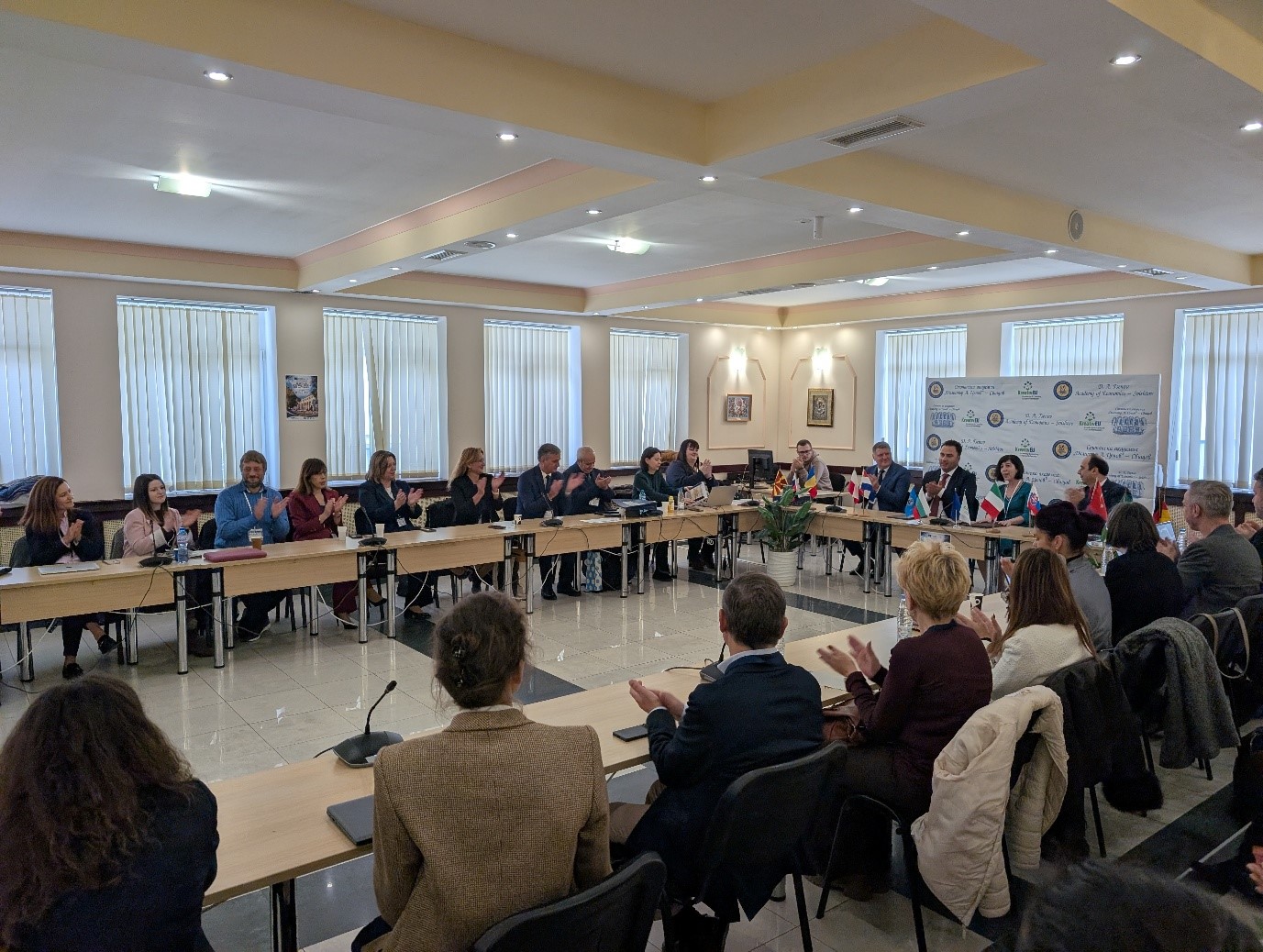
The Rector of Valahia University in Targovishte, Prof. Ioan Corneliu Sălișteanu, Vice-President of KreativEU, highlighted the long-standing cooperation between the two institutions, which began long before the alliance was formed. “Ninety years of history is an impressive achievement, especially for our university, which will celebrate its 35th anniversary next year,” he noted, and wished the Academy every success both within the framework of KreativEU and as a key institution in higher education in Bulgaria and Europe.
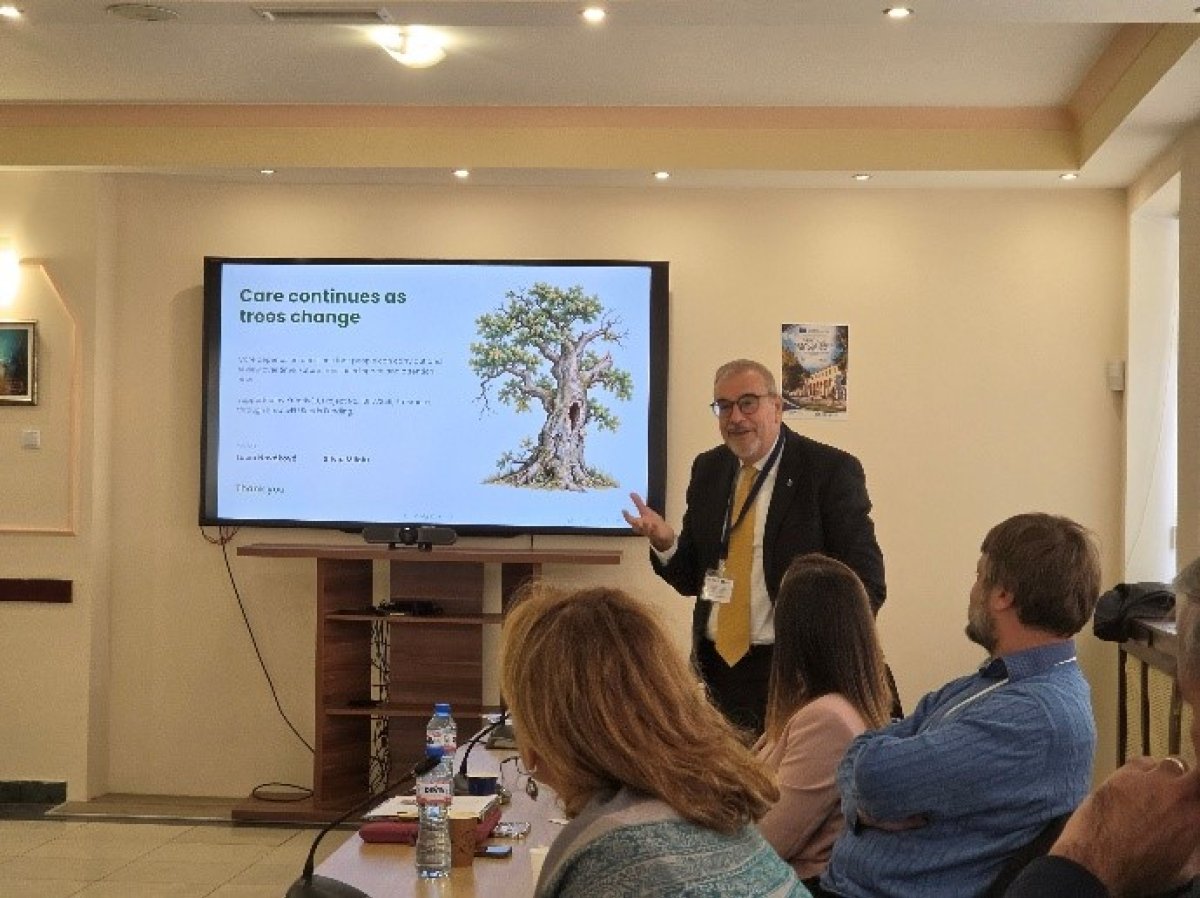
The General Secretary of KreativEU, Prof. Célio Marques, pointed out that the alliance is approaching the mid-point of its first funding period and that now is the time to take stock and look to the future. “The strength of KreativEU lies precisely on diversity and in our willingness to work together, to learn from one another and to develop solutions that no single institution could achieve on its own,” he said. He added with a smile: “For me, Svishtov was a place I used to visit, but it has gradually become a place where I feel at home.”
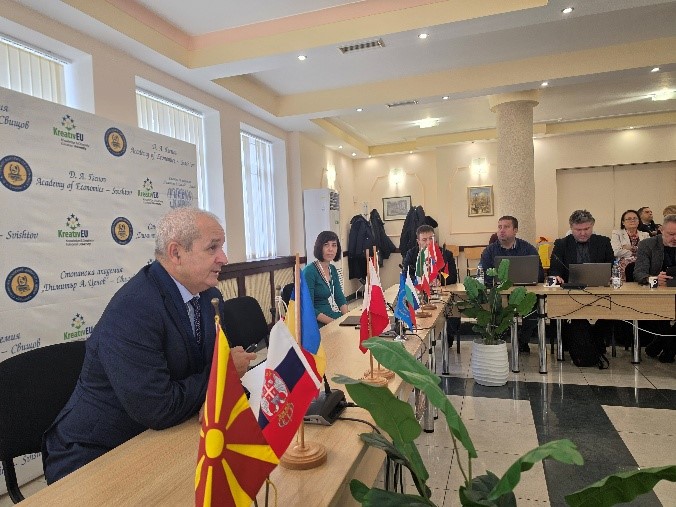
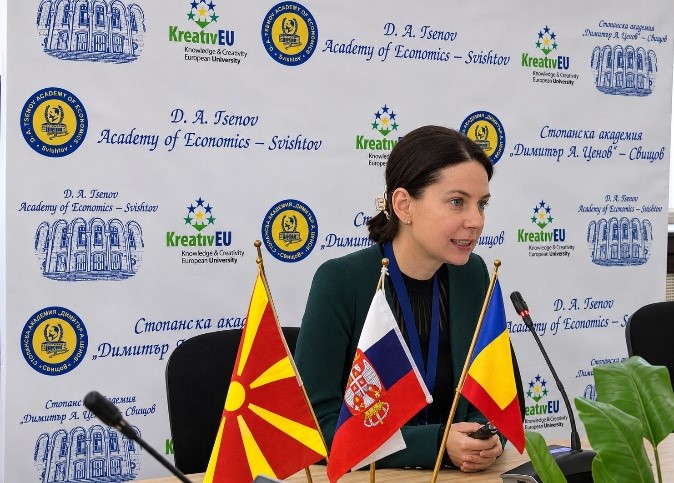
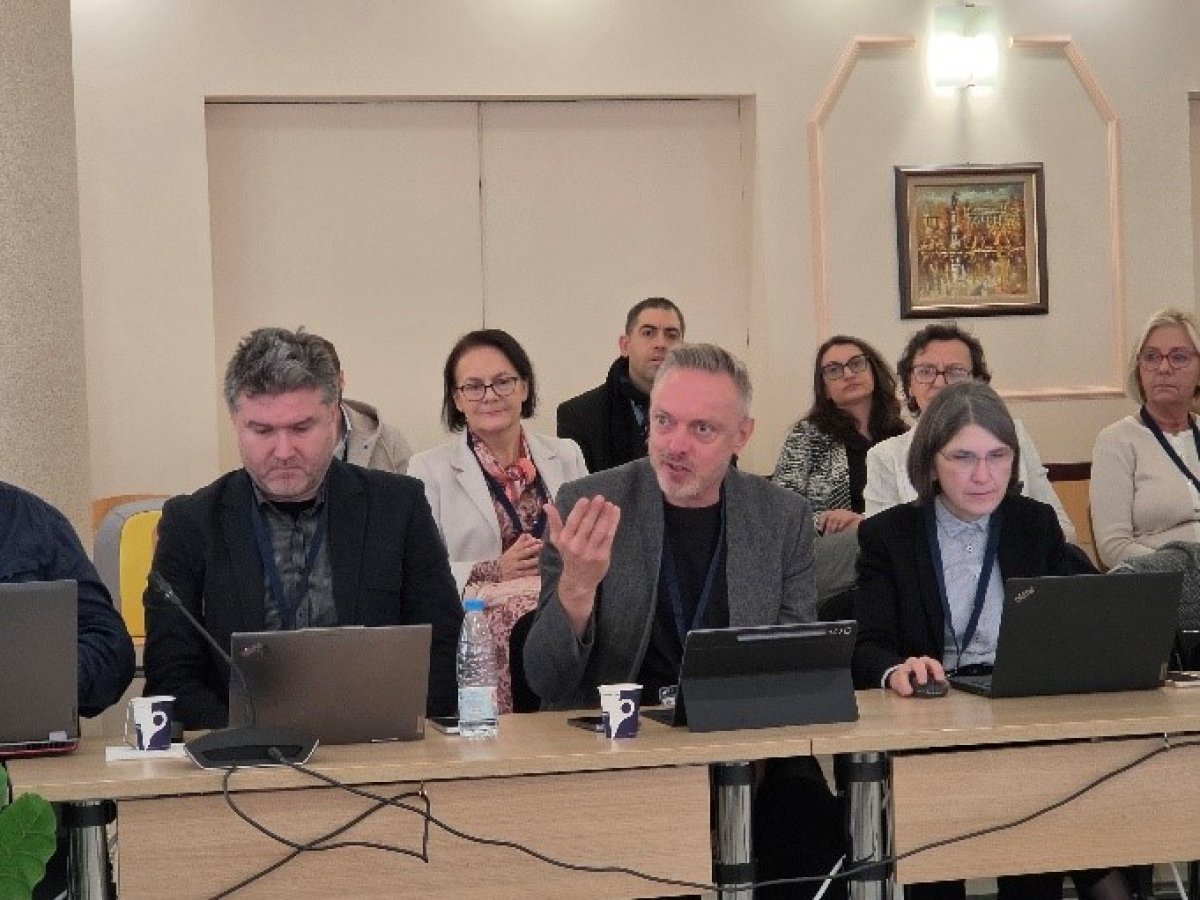
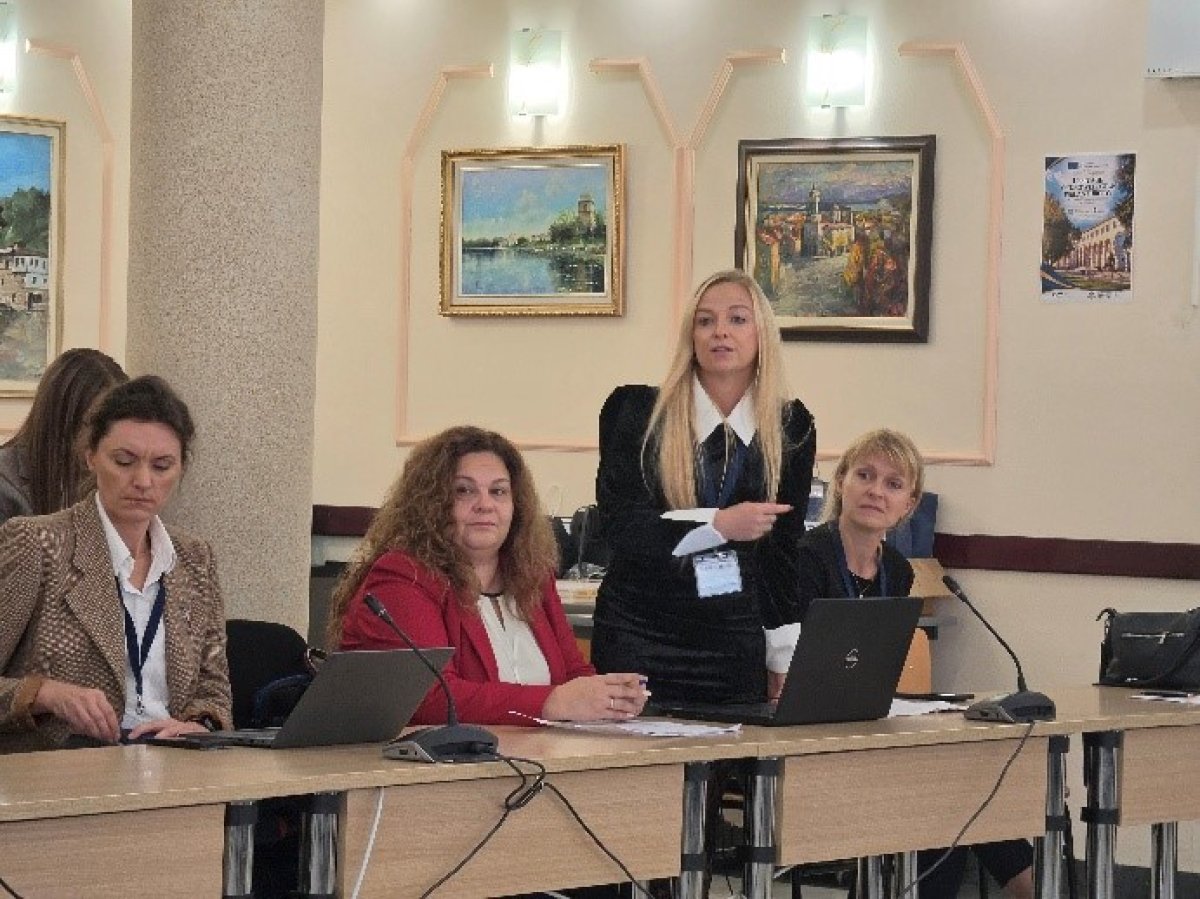
The conference continued with the presentation of 12 papers across three thematic areas, between which clear links emerged. The ‘Heritage Through Time’ track examined philanthropy and the role of natural, cultural and spiritual heritage today. ‘Sustainability and Cohesion in the European Union’ focused on regional cohesion, carbon markets, energy poverty and cross-border cooperation. Meanwhile, ‘Innovation Networks and Knowledge Ecosystems’ demonstrated how networks of people, universities and organisations create and share knowledge.
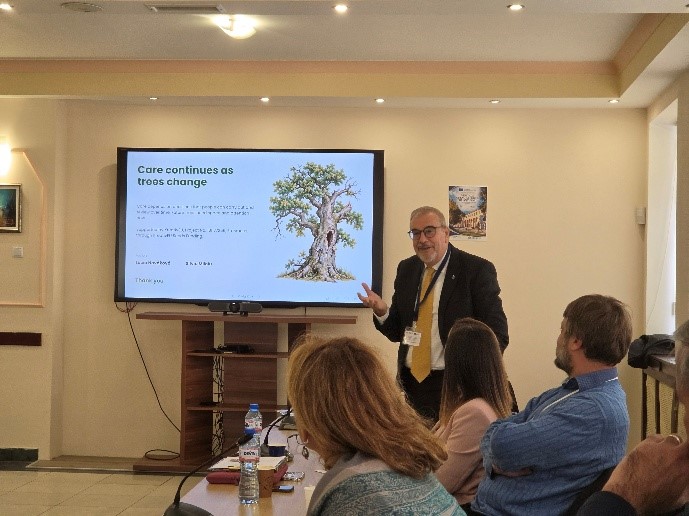
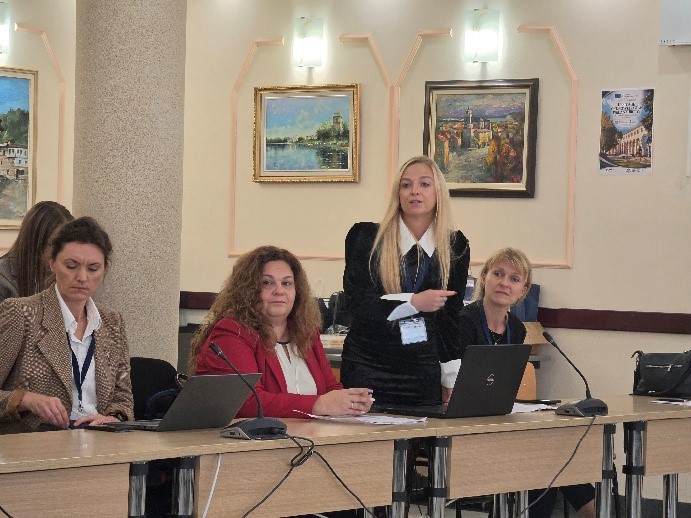
Each session was followed by productive and meaningful discussions, which opened up new opportunities for joint research and collaboration.
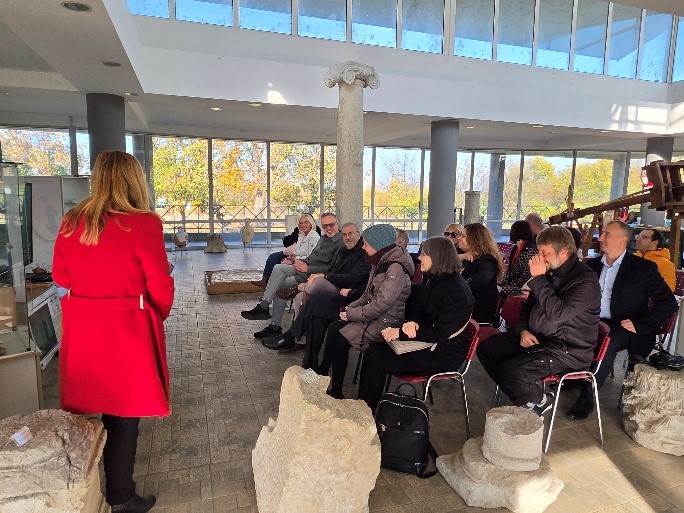
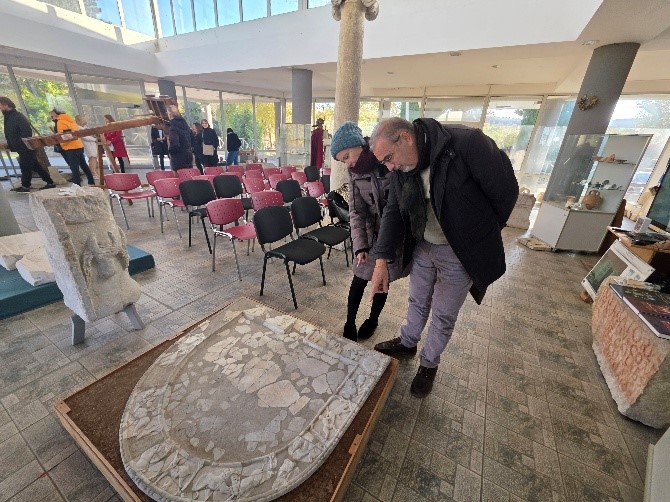
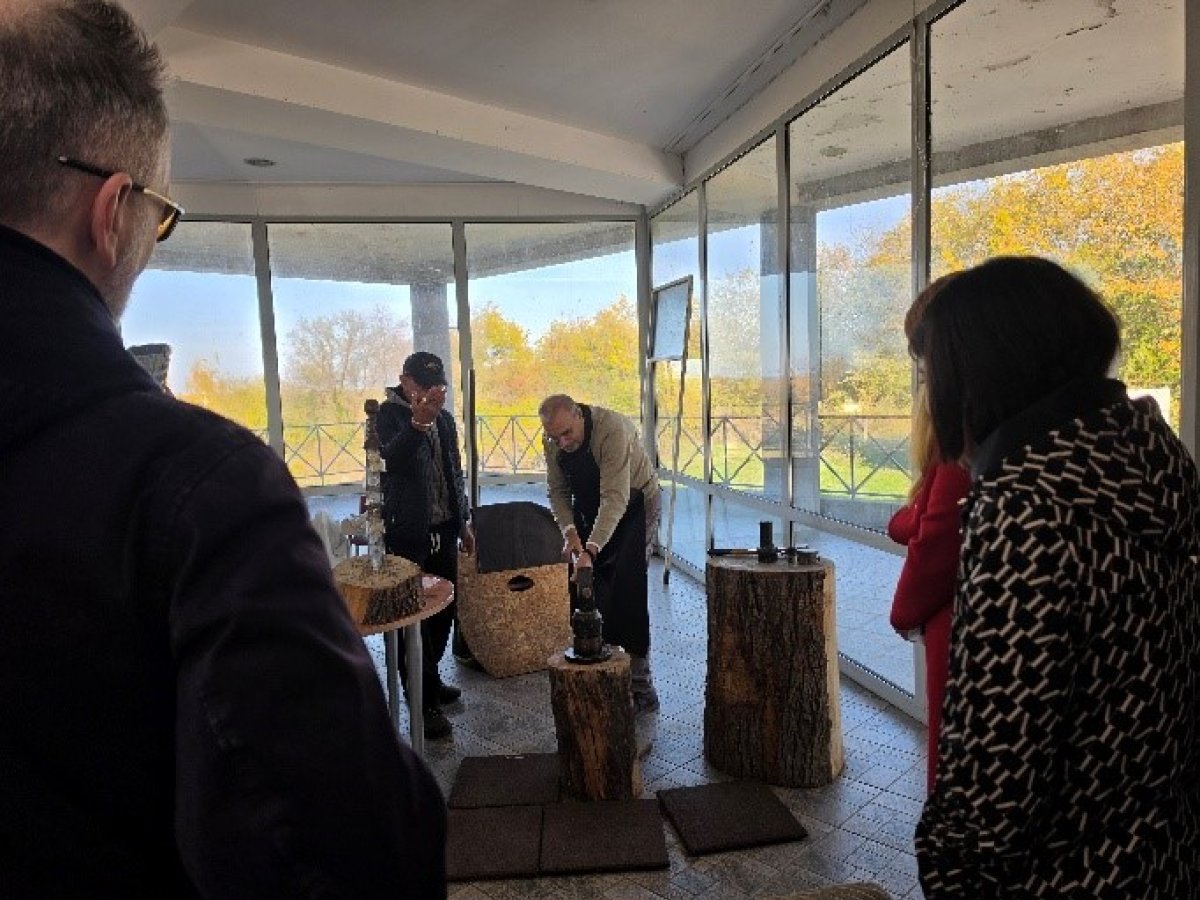
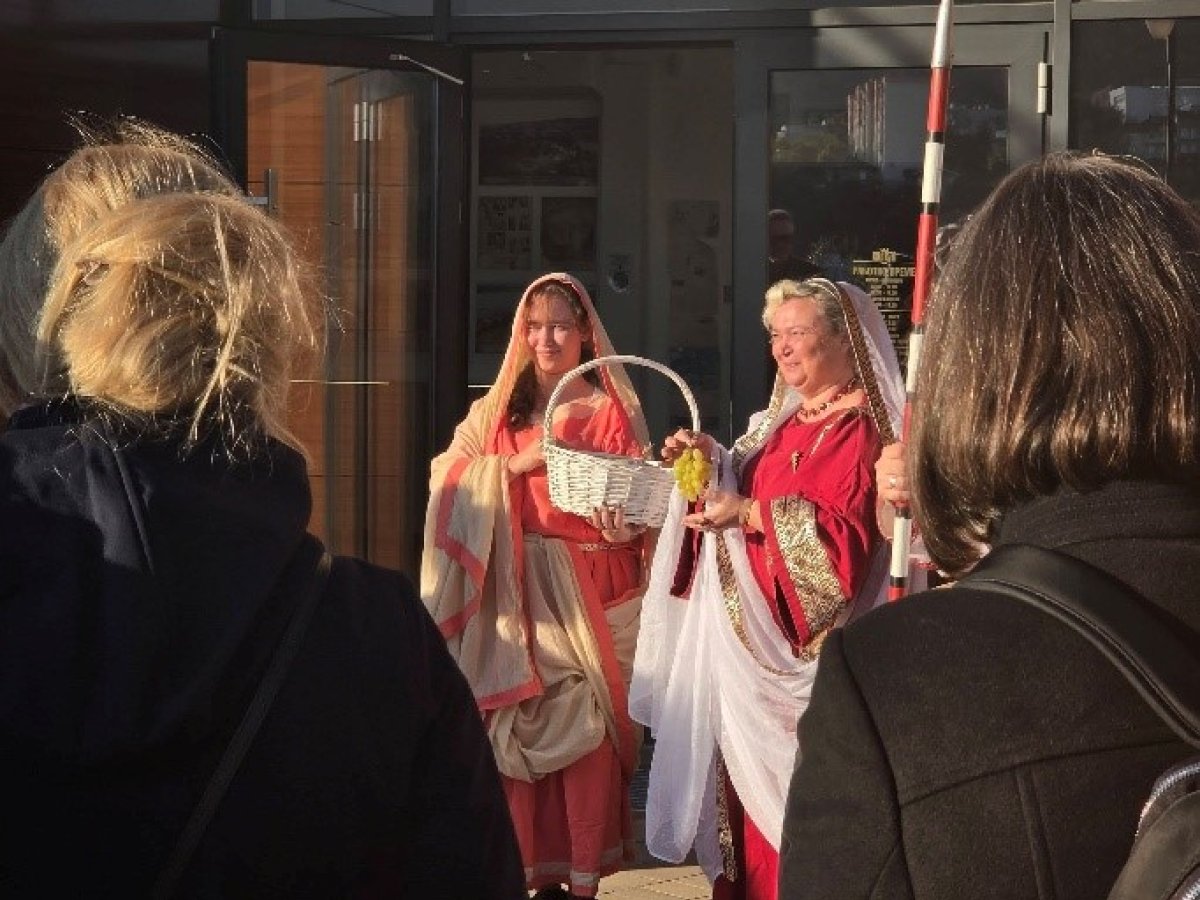
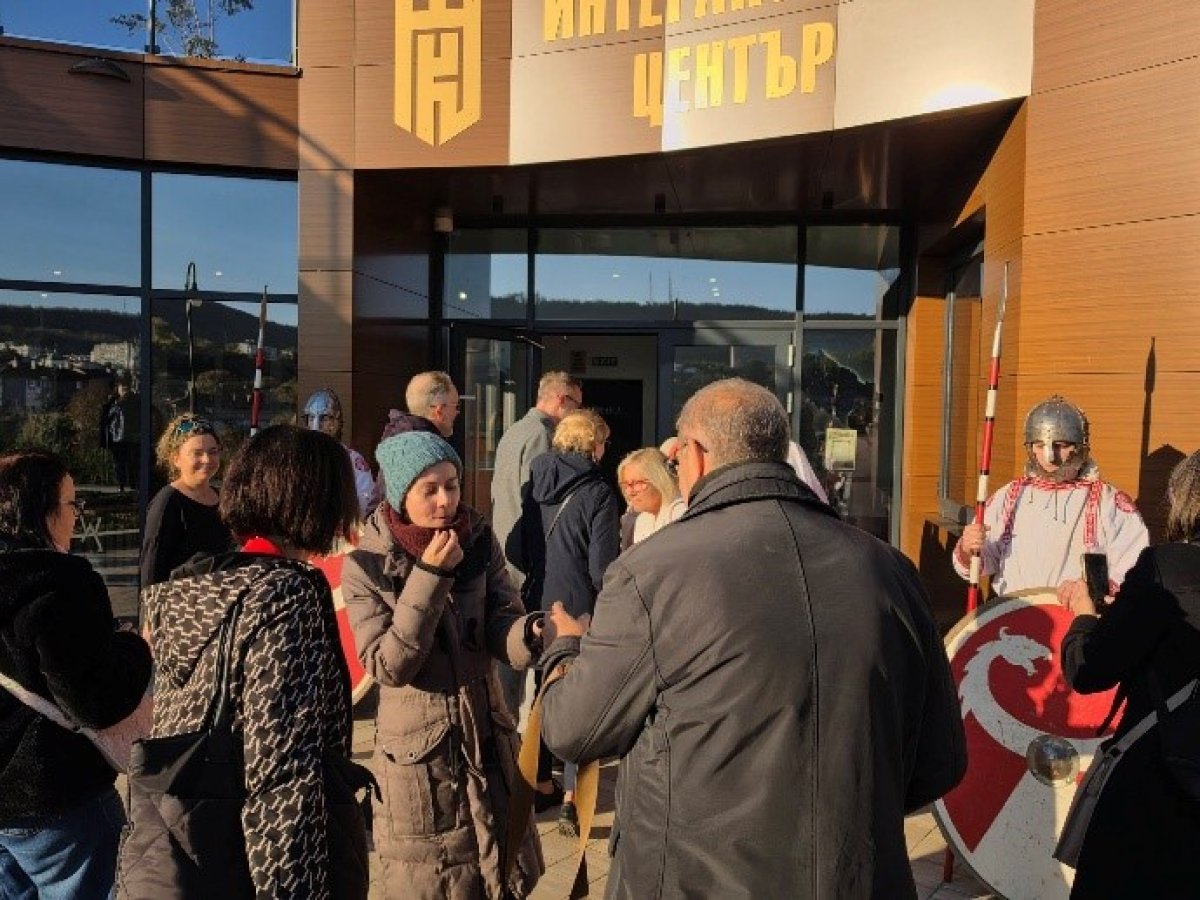
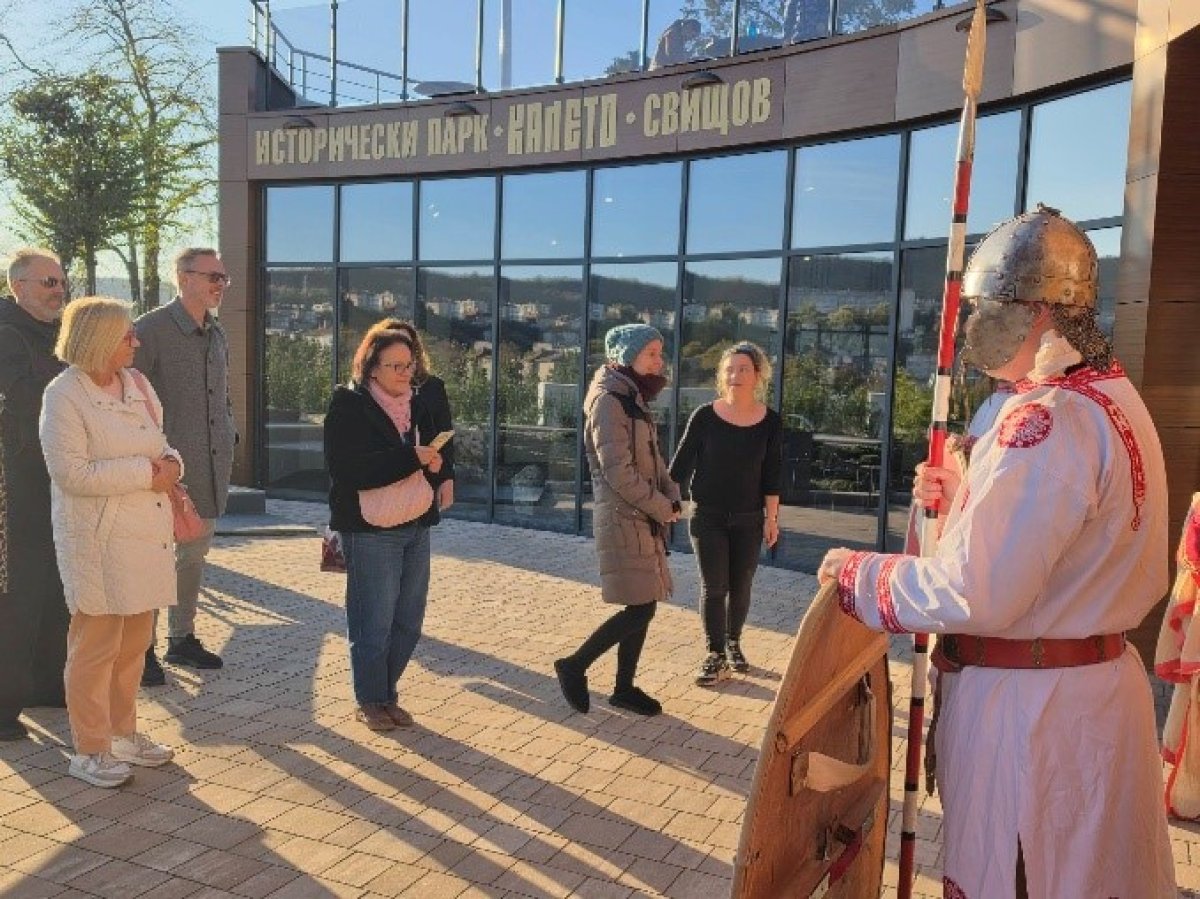
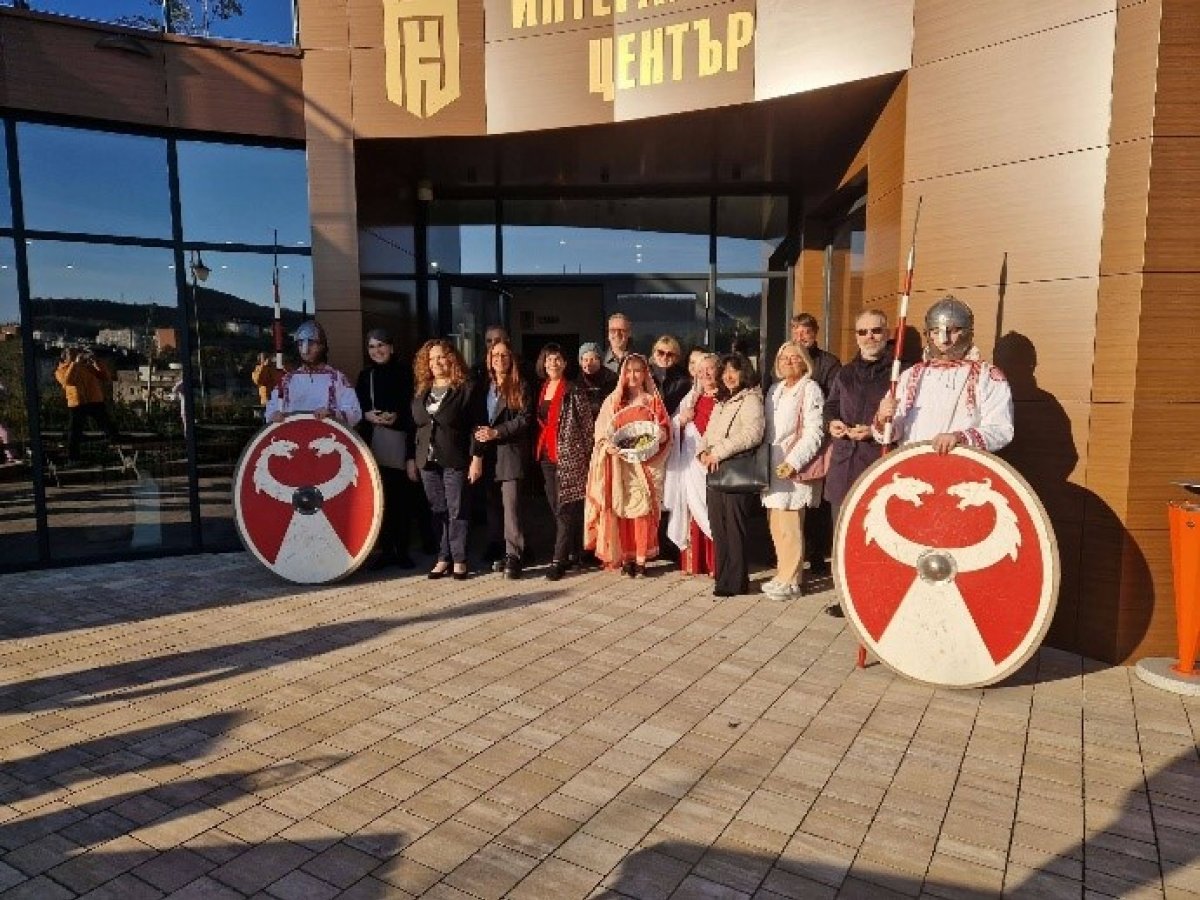
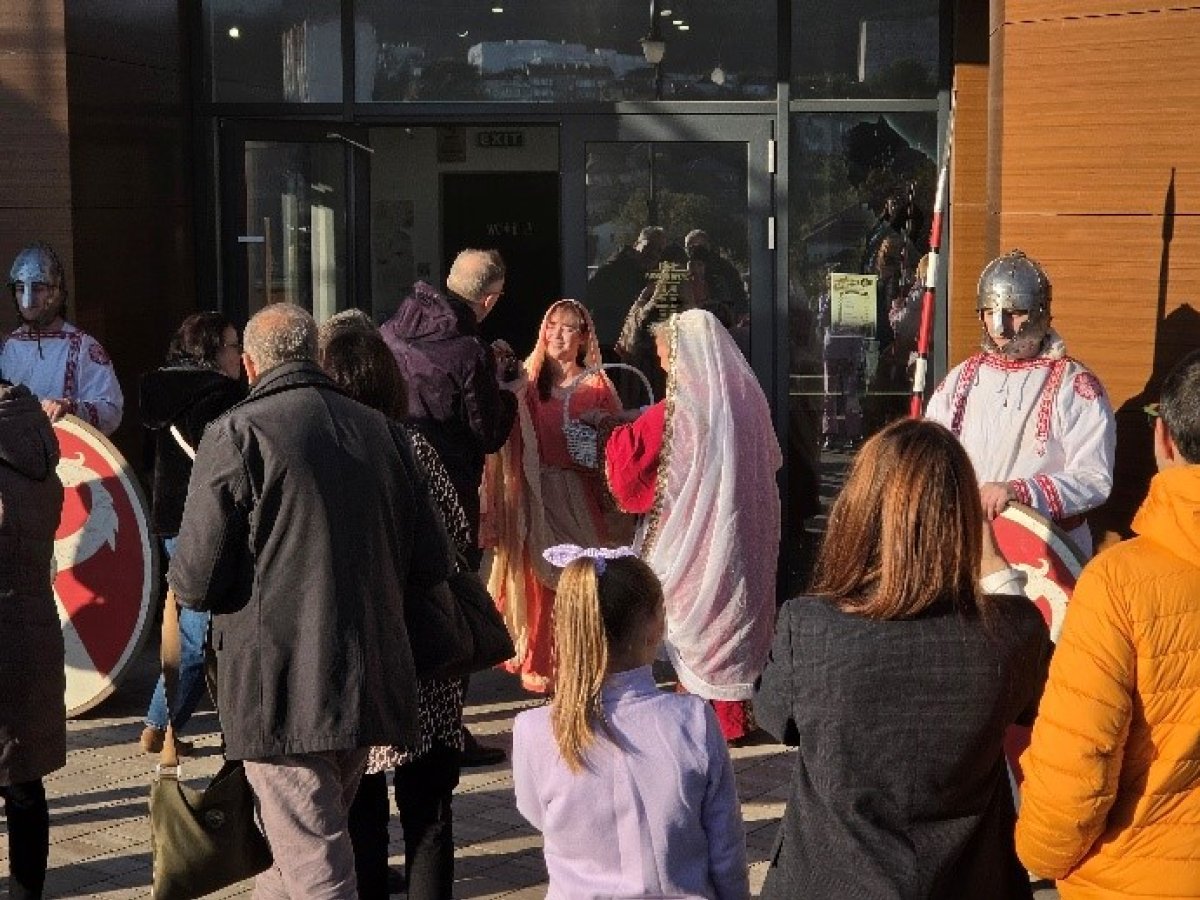
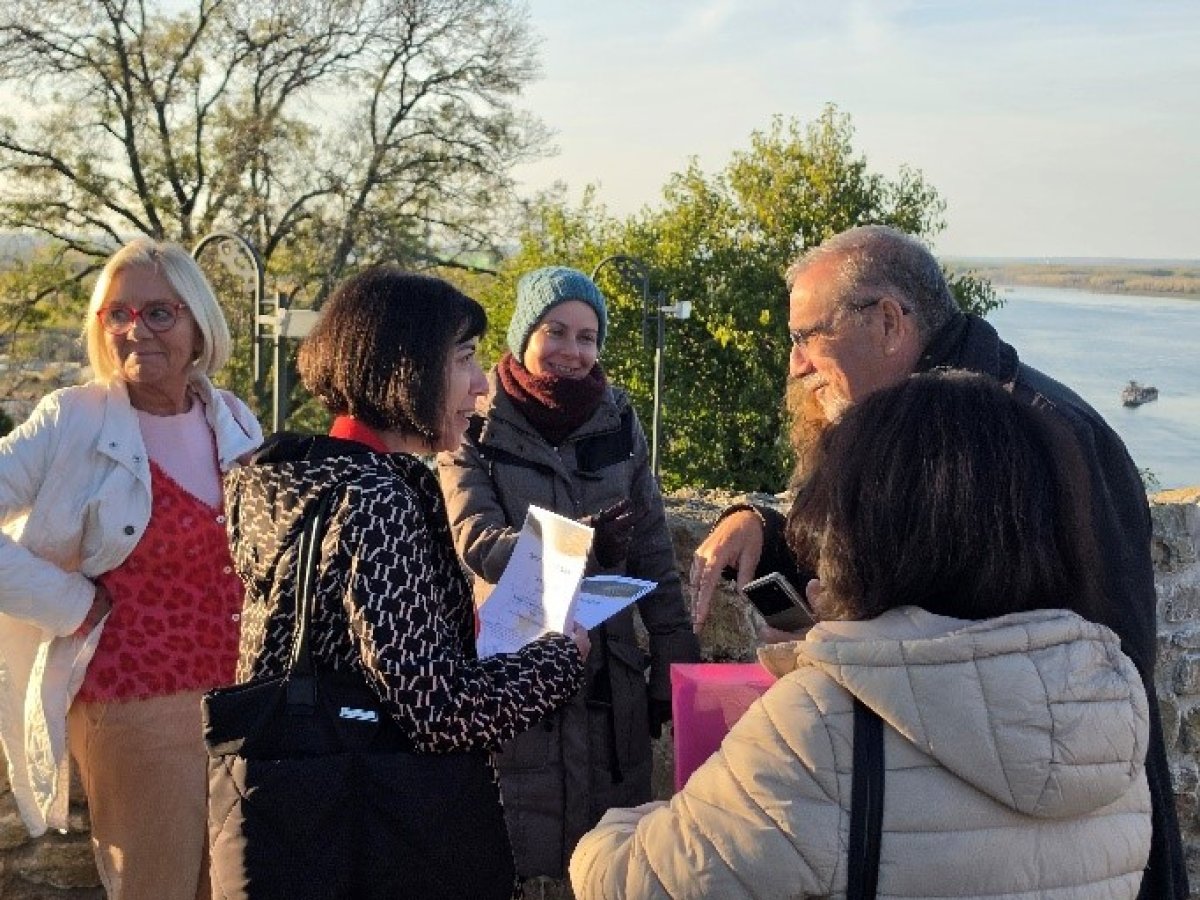
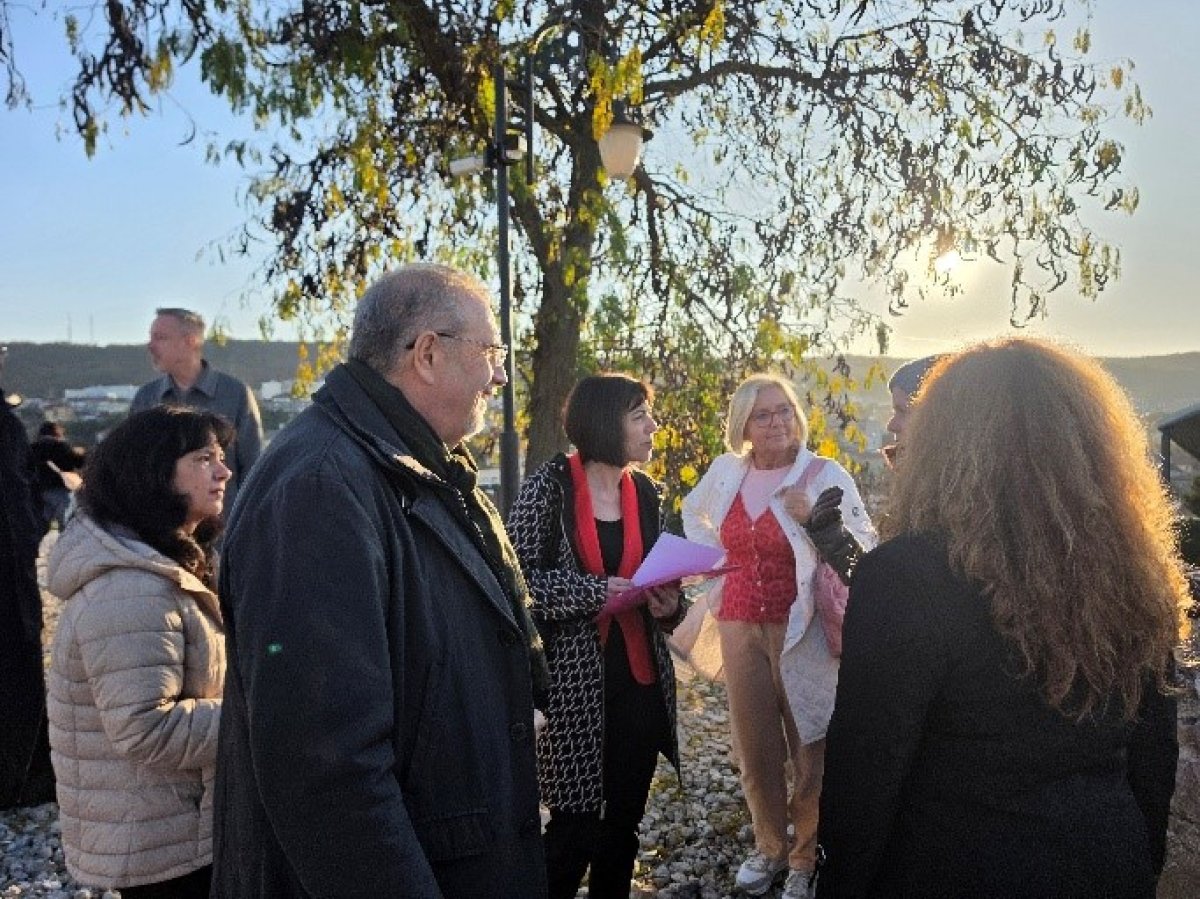
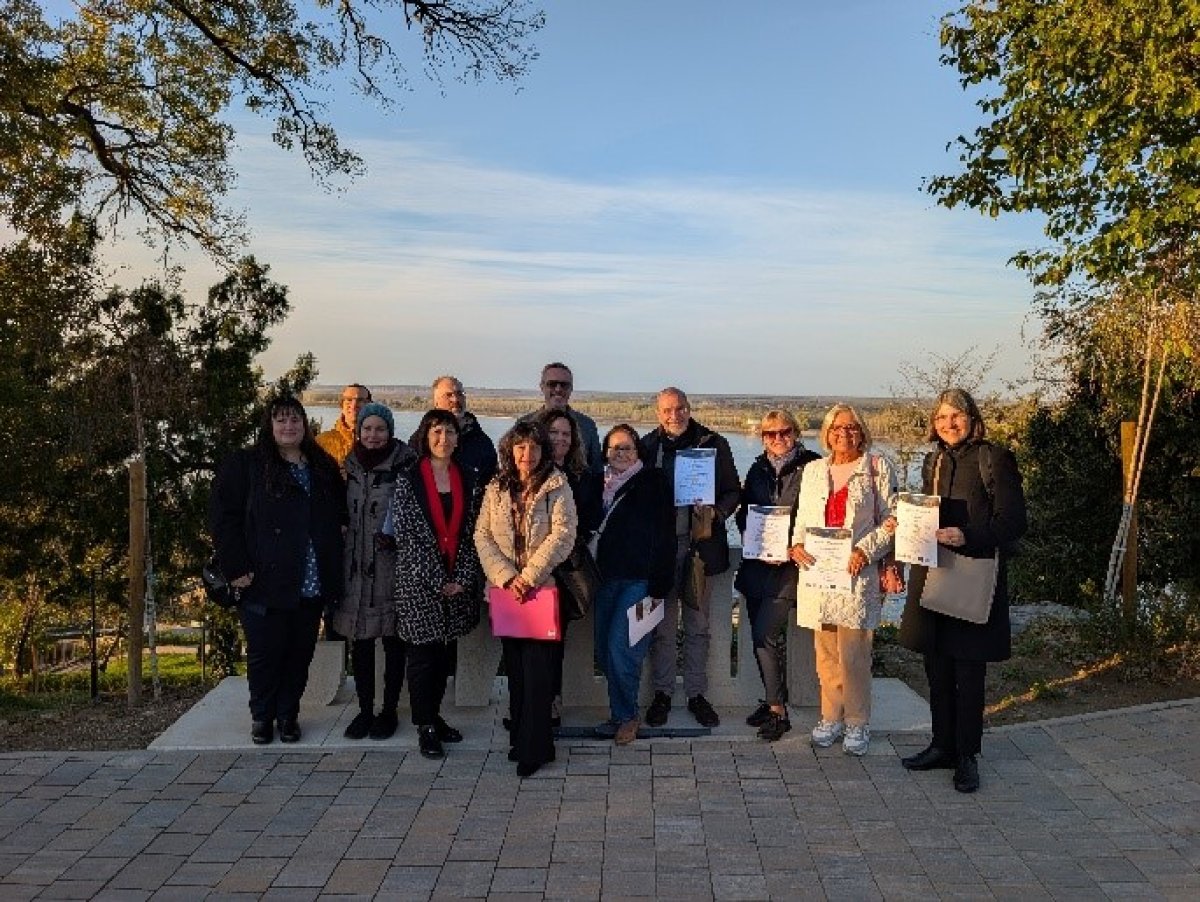
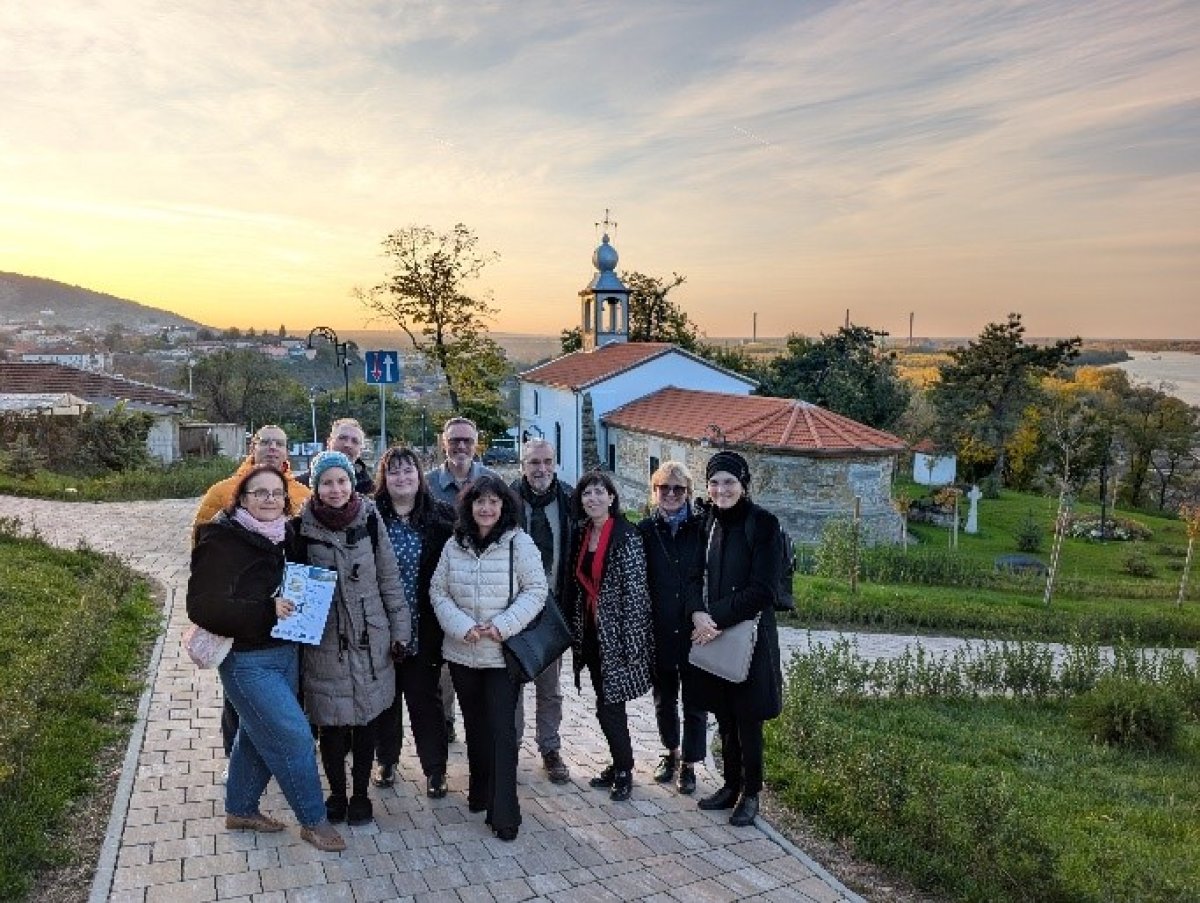
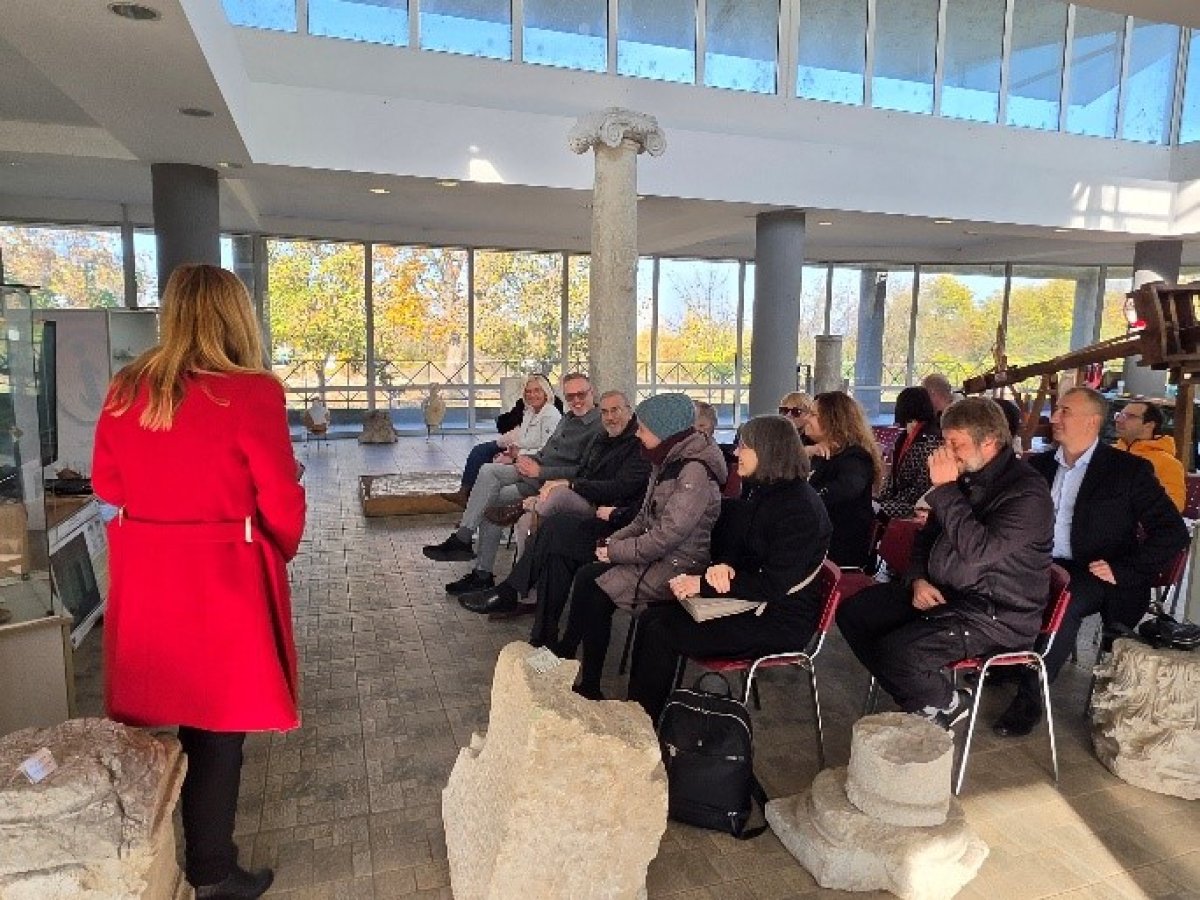
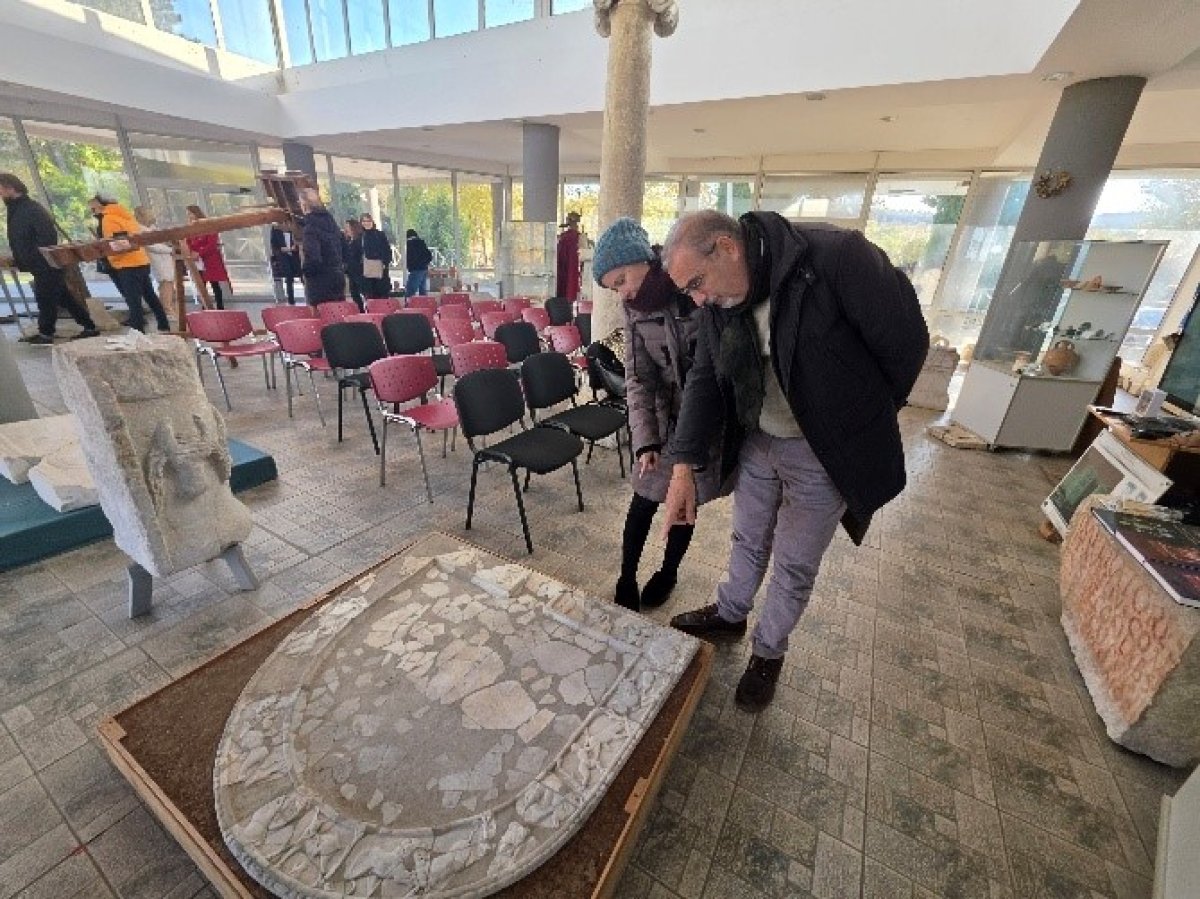
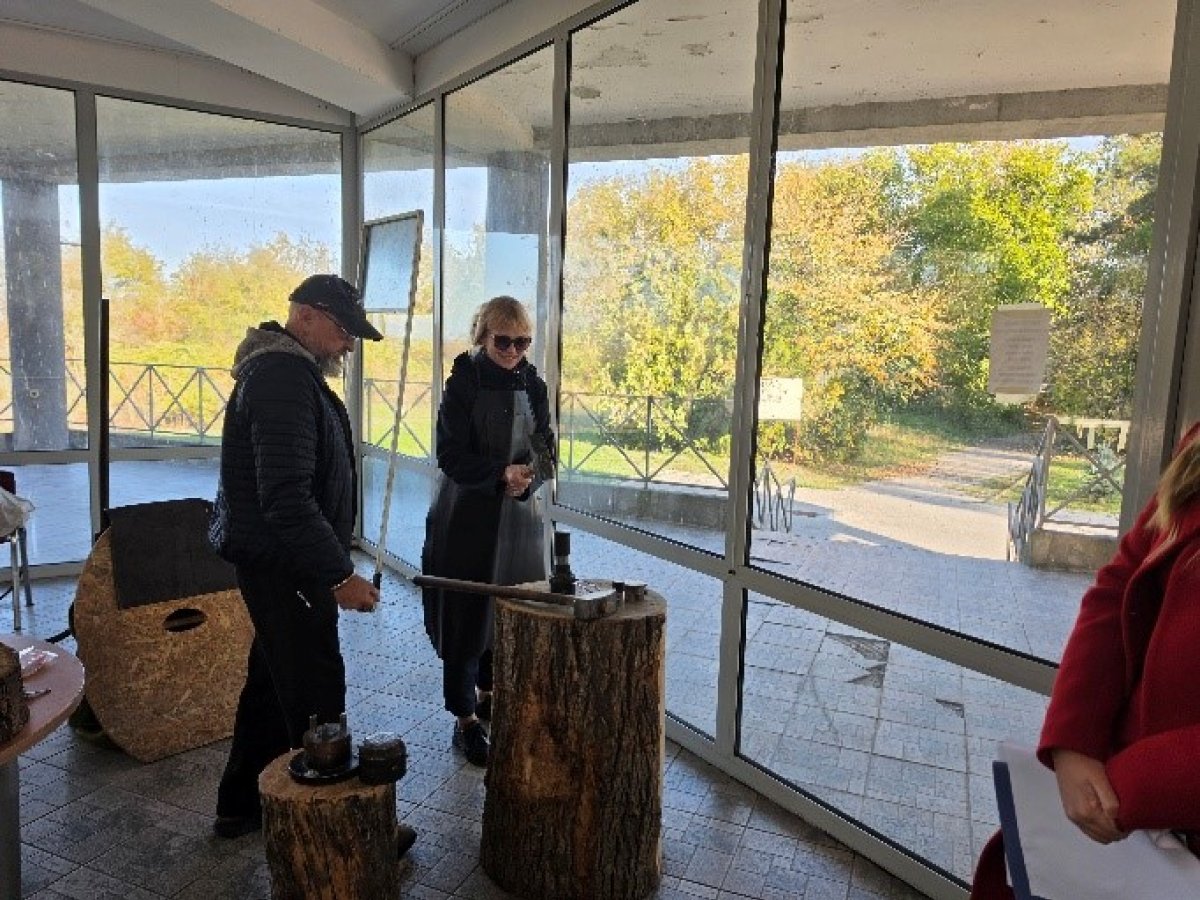
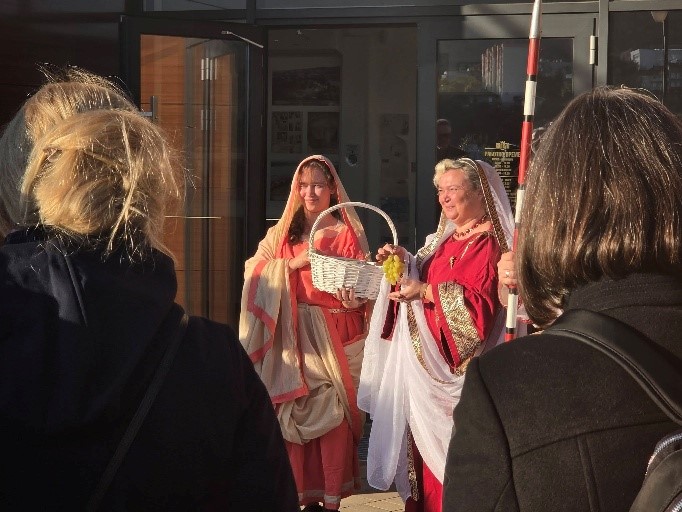
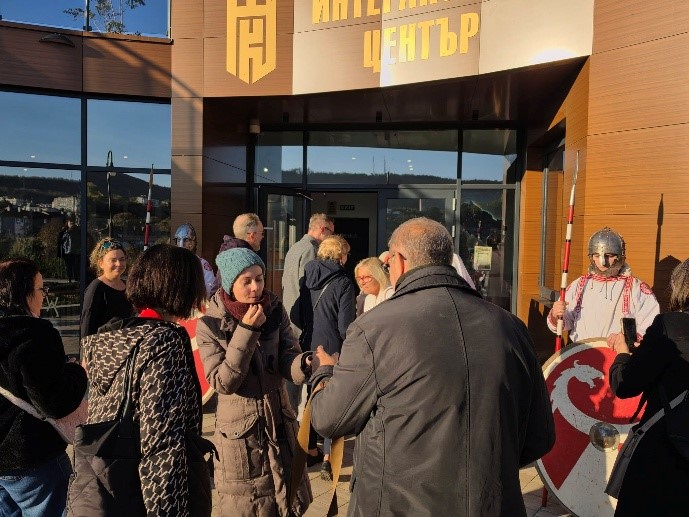
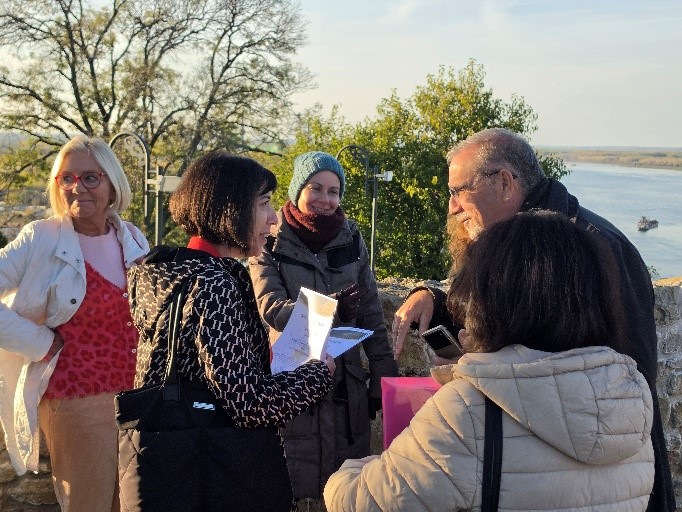
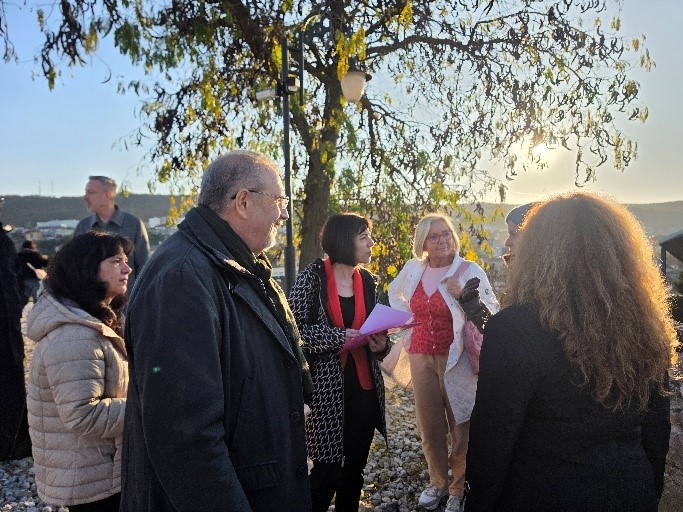
On 7 November 2026, as part of the ‘Beyond the Campus: Discover Svishtov’ programme, participants visited the ancient city of Novae. A brief talk introduced the guests to the historical significance of the site, after which they explored its architectural layout and the artefacts found there, and had the opportunity to handle exact replicas of some of them at close quarters. A special experience for the guests was the chance to strike their own replicas of Roman aurei from authentic lead found at the site, using dies modelled on actual finds. The tour of Svishtov continued with a visit to the museum and the Kaleto site. At the museum entrance, the guests were greeted by men dressed as Roman warriors, whilst ladies in Roman attire treated them to grapes. A brief talk and a video presentation immersed them in the rich history of Kaleto. Afterwards, led by a tour guide, the guests viewed the exhibition and the scale models. The programme concluded with a panoramic walk around the site and the presentation of certificates of participation.
KreativEU’s first networking conference in Svishtov demonstrated that the Academy’s anniversary is not only an occasion to look back on its 90-year history, but also an opportunity to build new bridges between science, culture and society. The event reaffirmed the role of the D. A. Tsenov Academy of Economics as an active partner in the KreativEU alliance and as a link between the academic community and local institutions.
The contacts made during the conference open up opportunities for joint academic publications and project proposals, for the mobility of lecturers and students, as well as for new topics for student competitions, developed in collaboration with local partners. It was with this spirit that the organisers and partners brought the event to a close: ready to turn the discussions into joint actions.
We would like to thank all participants for their active involvement, the fruitful discussions and the unforgettable memories. We look forward to welcoming you back to Svishtov and to seeing you again at future KreativEU events!
_32f7.png)
Funded by the European Union. Views and opinions expressed are however those of the author(s) only and do not necessarily reflect those of the European Union or the European Education and Culture Executive Agency (EACEA). Neither the European Union nor EACEA can be held responsible for them.