Final international conference of the Heritage Game project brings together academics, researchers, and practitioners
From 15 to 17 September 2026, the Final international conference “Gamification as a Catalyst for Sustainable Cultural Heritage Practices Conference 2026” was held in Adana, Türkiye. The event was organised within the framework of Project No. 2023-1-PT01-KA220-HED-000154261, “A Gamification Model for Community-Based Heritage Work” (Heritage Game), implemented within the framework of the Erasmus+ programme. The conference aimed to bring together academics, researchers, and practitioners to present research findings, innovative solutions, and good practices related to the preservation, protection, and promotion of cultural heritage.
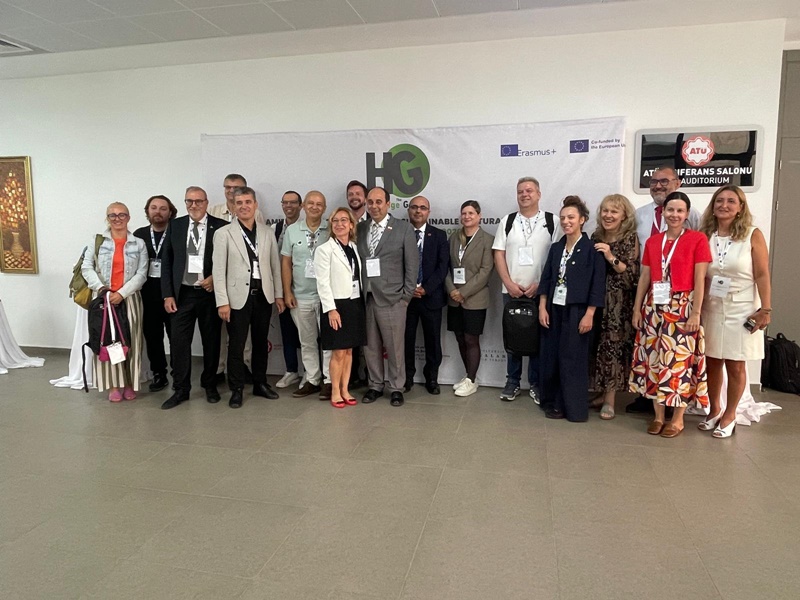
The event took place at Adana Alparslan Türkeş Science and Technology University (Türkiye) and offered opportunities for both in-person and online participation. Among the official guests at the opening ceremony were the Rector of the University, Prof. Dr. Adnan Sözen, the Vice Rector, Prof. Dr. Haşim Kelebek, and the Mayor of Adana, Bilal Uludağ.
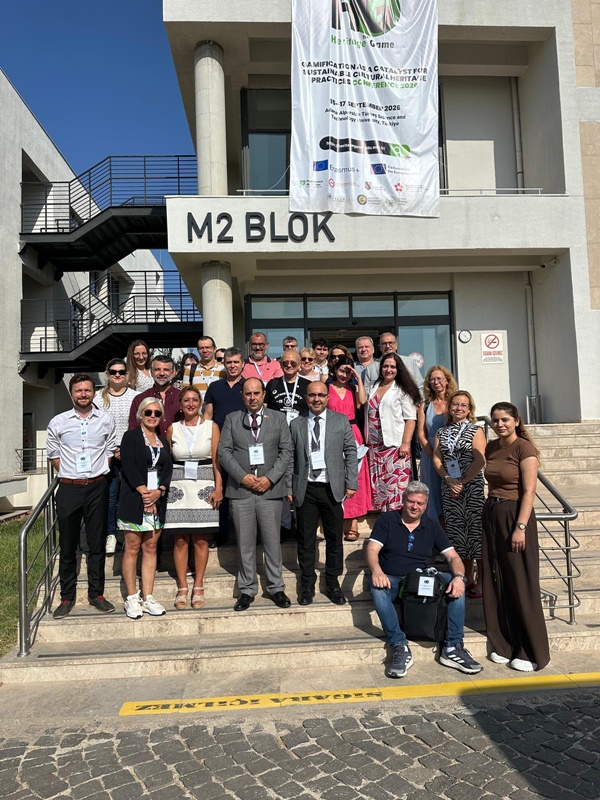
During the three-day programme, more than 40 research papers were presented across a variety of thematic areas. Representatives of D. A. Tsenov Academy of Economics, Svishtov, also actively participated in the conference, presenting a total of five research papers, including one single-authored paper and four co-authored papers.
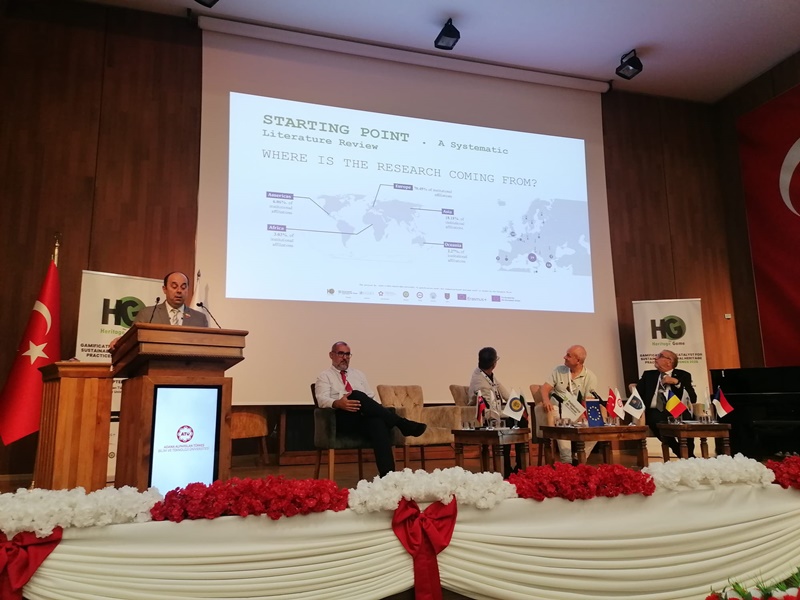
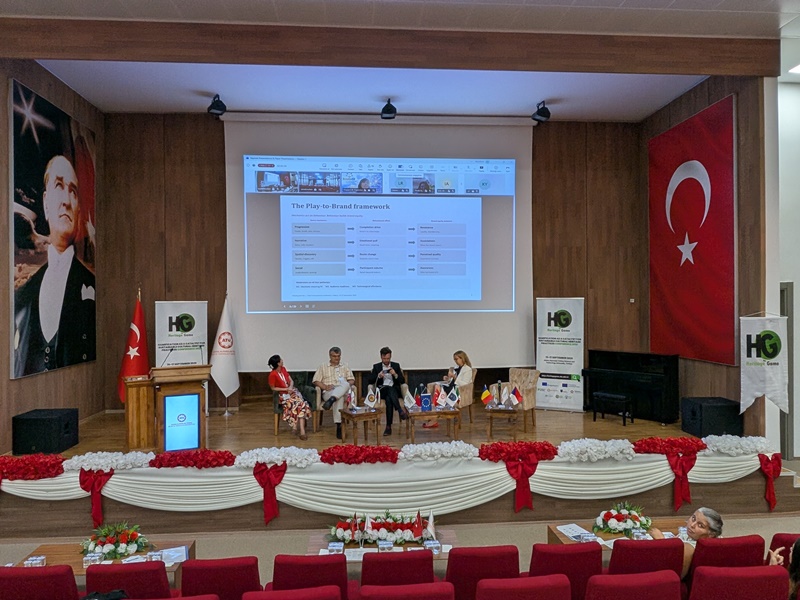
The conference opened with a plenary session during which representatives from all seven partner universities presented the outcomes of their work and the achievements accomplished throughout the implementation of the project activities. The programme then continued with parallel thematic sessions addressing topics such as gamification in cultural heritage, the application of contemporary technologies for heritage preservation, and the role of sustainability and social innovation in the development of gamified solutions.
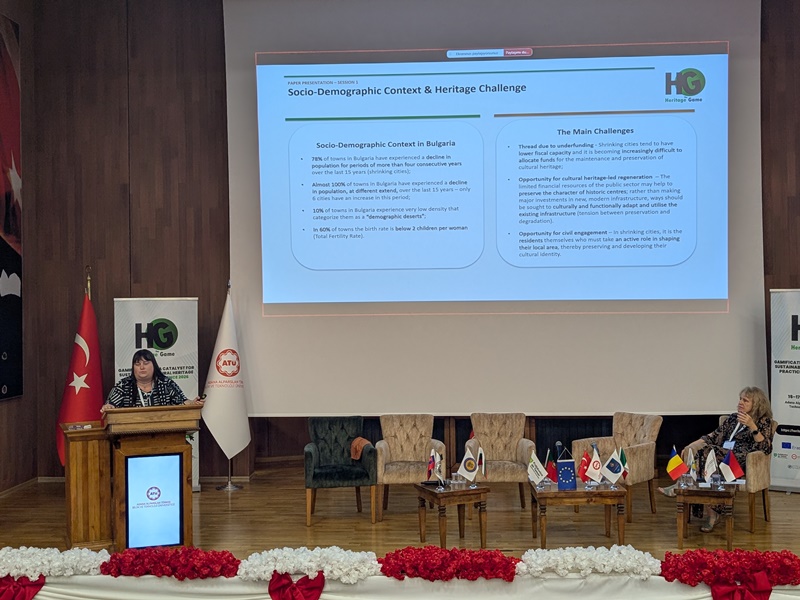
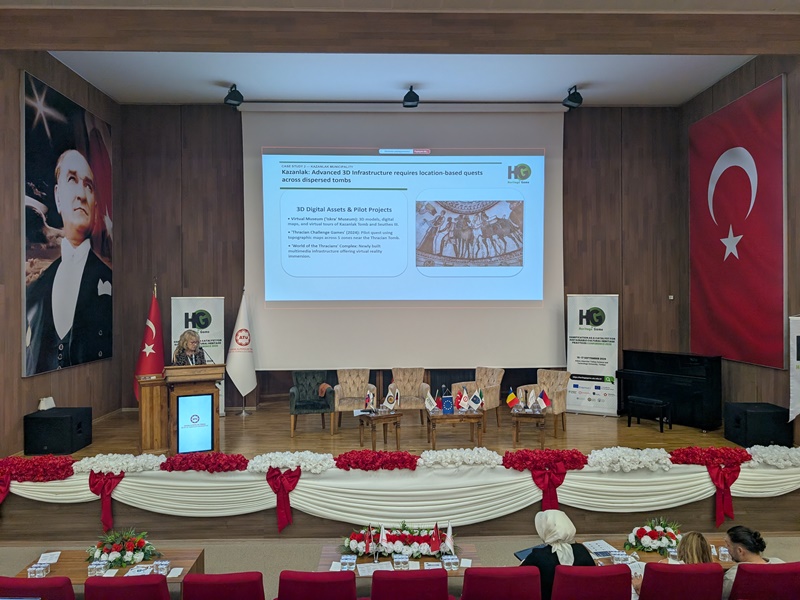
Particular interest was generated by the special stakeholder session held on the second day of the conference. During this session, participants presented concepts and prototypes of gamified applications designed for real cultural and historical heritage sites. These applications were developed using the gamification platform created within the Heritage Game project. The platform is web-based, freely accessible to users, and available at: https://play.heritagegame.eu.
The project No. 2023-1-PT01-KA220-HED-000154261 “A gamification model for community-based heritage work” is implemented within the framework of the Erasmus+ programmе, in partnership between Polytechnic Institute of Tomar (Portugal), D. A. Tsenov Academy of Economics (Bulgaria), Valahia University of Targoviste (Romania), University of South Bohemia České Budějovice (Czech Republic), University of Trnava (Slovakia), University of Camerino (Italy), and Adana Science and Technology University (Turkiye).